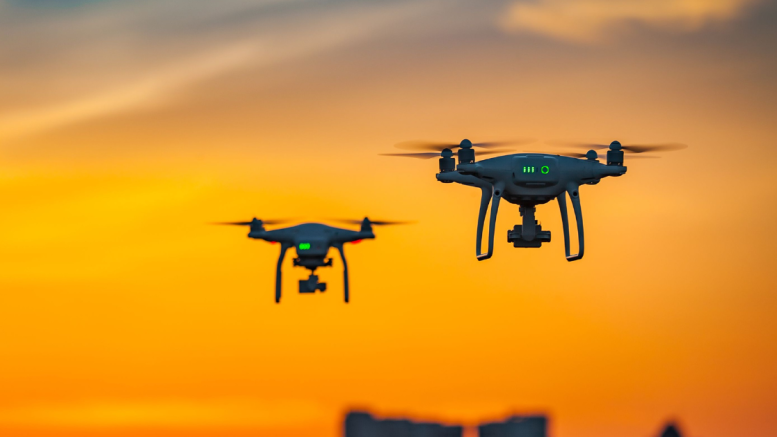

The use of drones has expanded quickly in recent years. These small flying devices help first responders, filmmakers, and farmers. There is also a rising concern about how drones are being misused. Across the United States, reports of drone crime are becoming more frequent. This growing trend creates serious challenges for public safety and law enforcement.

Drone Crime and Critical Infrastructure
One of the most alarming cases of drone crime involved an attempted attack on a power substation in Tennessee. A man from Columbia pleaded guilty to trying to attach what he believed were explosives to a drone and use it to damage an energy facility. Authorities linked his actions to extremist motivations, proving that drone crime can threaten critical infrastructure and national security. This case shows that even one person with a drone can put entire communities at risk.
Smuggling into Prisons with Drones
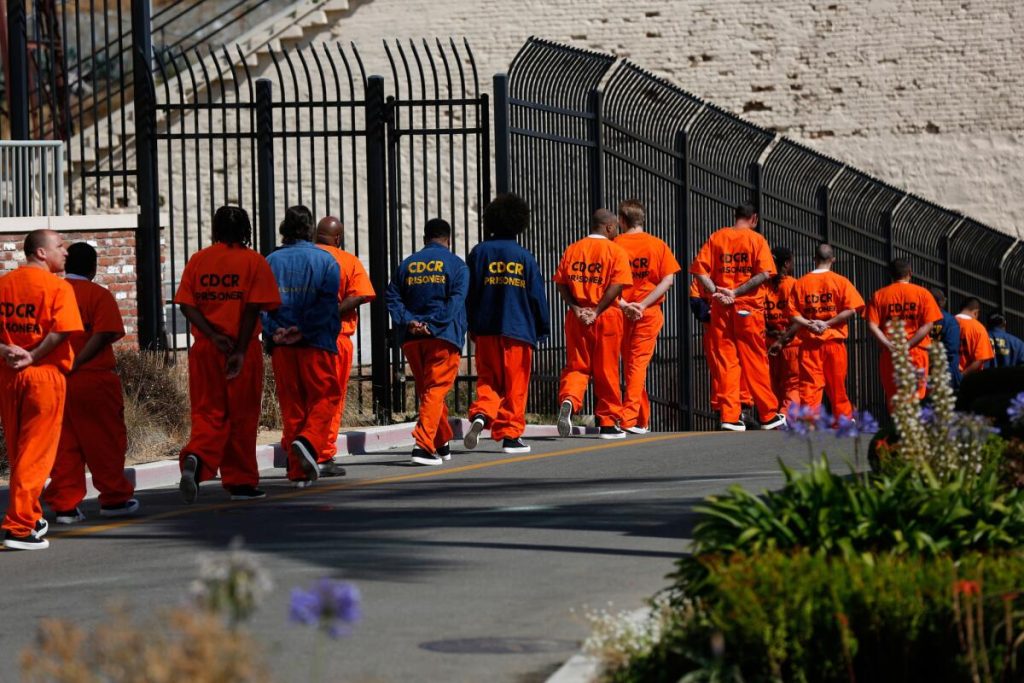
Drones now bypass security walls and fences at prisons. Authorities indicted a man in Beaumont, Texas, for attempting to deliver contraband into a federal prison with a drone. The items included wire cutters, tobacco, and cellphones. These deliveries would have fueled dangerous activity inside the facility. Drone crime in prisons has become a growing concern for officials nationwide.
A similar event took place in South Carolina, where police discovered a drone in the trunk of a car during a traffic stop. The suspects were allegedly preparing to drop drugs and other banned materials into a state prison. Authorities say such cases highlight the need for stronger monitoring and better defenses against drone crime.
Why Drone Crime Is Difficult to Stop
Drone crime is difficult to track for several reasons. Many drones are small, inexpensive, and easy to purchase. Operators can fly them from a distance, making it hard to catch them in the act. Technology to detect and disable unauthorized drones exists, but it is costly and not widely deployed.
The Federal Aviation Administration enforces rules about airspace. However, criminals often ignore these restrictions. In emergency zones, unauthorized drones have interfered with helicopters and rescue aircraft. These incidents show how drone crime not only affects prisons or energy facilities but also endangers lives during disasters.
Protecting Communities from Drone Crime
Communities need stronger tools and clearer laws to reduce drone crime. Expanding drone detection technology, setting tougher penalties, and educating the public about safe use are important steps. Local police, federal agencies, and private companies must collaborate to prevent criminals from using drones.
The potential of drones for good is enormous. They save lives, deliver medical supplies, and support firefighters. Yet the rise of drone crime reminds us that every new technology brings risks. Staying aware and supporting stronger protections will help keep communities safe.