
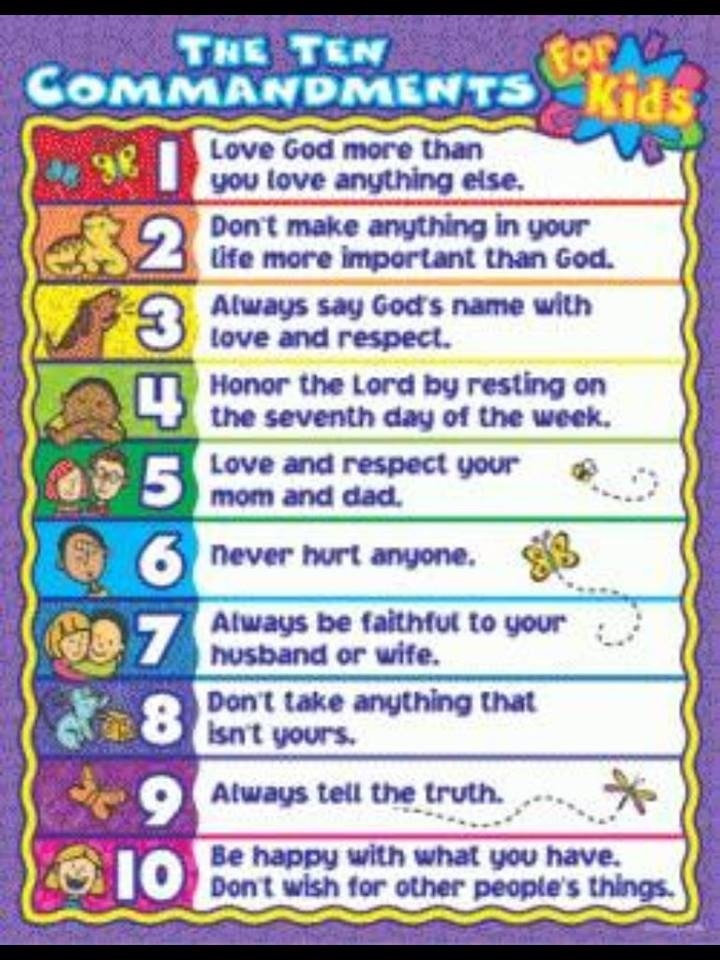
Louisiana’s bold move to mandate Ten Commandments displays in every public school classroom, enacted through House Bill 71 (HB 71) in June 2024, hit a major roadblock. On June 20, 2025, the U.S. Court of Appeals for the Fifth Circuit unanimously upheld a preliminary injunction, blocking the law in five school districts. The court ruled that House Bill 71 violates the First Amendment’s Establishment Clause, citing the 1980 Supreme Court precedent Stone v. Graham, which struck down a similar Kentucky law for promoting religion. Louisiana Attorney General Liz Murrill vows to appeal, potentially to the Supreme Court, arguing the law reflects historical values. Yet, the ruling currently limits enforcement to East Baton Rouge, Livingston, Ouachita, Rapides, and Vernon Parish districts, leaving other districts in limbo.

Arkansas Joins the Fight, Faces Similar Hurdles
Meanwhile, Arkansas’s Act 573, effective August 5, 2025, requires Ten Commandments displays in public school classrooms and libraries. However, U.S. District Judge Timothy L. Brooks swiftly issued a preliminary injunction on August 4, 2025, halting the law in four districts: Fayetteville, Springdale, Bentonville, and Siloam Springs. The judge echoed Stone v. Graham, declaring the mandate “plainly unconstitutional” for imposing religious doctrine. Arkansas Attorney General Tim Griffin is considering an appeal to the Eighth Circuit, but civil liberties groups argue the law coerces students and violates parental rights. Ironically, Parental Rights have been a contentious battleground recently regarding Transgender Issues and radical ideologies.
School Prayer Laws Stir Controversy
Although no new lawsuits directly target school prayer in 2025, Texas’s Senate Bill 11, passed in March 2025, allows designated voluntary prayer time in schools. It should be noted that participation by students in prayer is only under a parent or guardians permission and no public address system is used. “Our schools are not God-free zones,” Middleton said in a statement announcing Senate Bill 11, the school prayer legislation. “We are a state and nation built on ‘In God We Trust.’ … There is no such thing as ‘separation of church and state’ in our Constitution, and recent Supreme Court decisions by President Trump’s appointees reaffirmed this.”
This law, alongside Senate Bill 10 mandating Ten Commandments displays, faces looming legal challenges. Critics, including 166 multi-faith leaders, warn that such laws blur the line between church and state, potentially alienating non-Christian students. The 1962 Supreme Court ruling Engel v. Vitale, which banned school-sponsored prayer, remains a key precedent, but recent rulings like Kennedy v. Bremerton (2022) embolden states to test boundaries.
Public sentiment splits on Social Media reveal a fiery divide. Conservative users cheer the laws as a return to moral roots, with some praising President-elect Donald Trump’s support for religious expression in schools. For instance, supporters argue that the Ten Commandments provide a universal moral framework, aligning with America’s heritage. Conversely, progressive and secular voices, including the Freedom From Religion Foundation, blast the laws as Christian nationalism, citing coercion and exclusion of non-Christians. Posts criticized evangelical claims of persecution as exaggerated, while others lament the shift from secular unity to religious mandates.
What’s Next for Religious Expression in Schools?
As Louisiana and Arkansas prepare appeals, the legal battles could reshape church-state boundaries. The Supreme Court’s conservative majority and its shift toward a “historical practices” standard in Kennedy v. Bremerton suggest a potential opening for these laws, but Stone v. Graham remains a formidable obstacle. Critics warn that mandating specific religious texts, like the Ten Commandments, risks alienating diverse students. Supporters, however, see these laws as a defense of religious freedom. With Texas and other states like Oklahoma and Utah exploring similar measures, the nation watches closely. Will the Supreme Court redefine the rules, or will precedent hold firm?