
Screwworm Nightmare Unleashed in Maryland!
Hold onto your hats, folks—a flesh-eating screwworm has crawled its way into Maryland, marking the first human case in the U.S. in decades! This gruesome parasite, straight out of a horror flick, hitched a ride with a traveler from Central America. Whispers from the Darién Gap, that lawless jungle pipeline for migrants, suggest this could be the start of a bigger mess. Is this a one-off, or are we staring down a parasitic invasion thanks to porous borders? Buckle up, because this story’s got more twists than a worm in a wound!

The Darién Gap: A Screwworm Superhighway?
Picture this: a dense, snake-infested jungle where migrants from all corners—China, Haiti, you name it—trudge through mud and misery to reach the U.S. The Darién Gap, a 60-mile stretch between Colombia and Panama, isn’t just a migrant magnet. It’s now a suspected express lane for the New World screwworm. These nasty flies lay eggs in open wounds, and their larvae munch on living flesh—yep, it’s as gross as it sounds. With over 1.2 million people crossing this treacherous route since 2021, it’s no shock that parasites are tagging along.
What are screwworms?
Screwworms are parasitic flies whose females lay eggs in wounds on any warm-blooded animal. Once the eggs hatch, hundreds of screwworm larvae use their sharp mouths to burrow through living flesh, eventually killing their host if left untreated.
The maggots’ feeding is similar to a screw being driven into wood, giving the pests their name.
Screwworms can be devastating in cattle and wildlife, and rarely infest humans, though an infestation in either an animal or a person can be fatal.
Treatment is onerous, and involves removing hundreds of larvae and thoroughly disinfecting wounds. But infestations are typically survivable if treated early enough.
Open Borders, Open Season for Parasites?
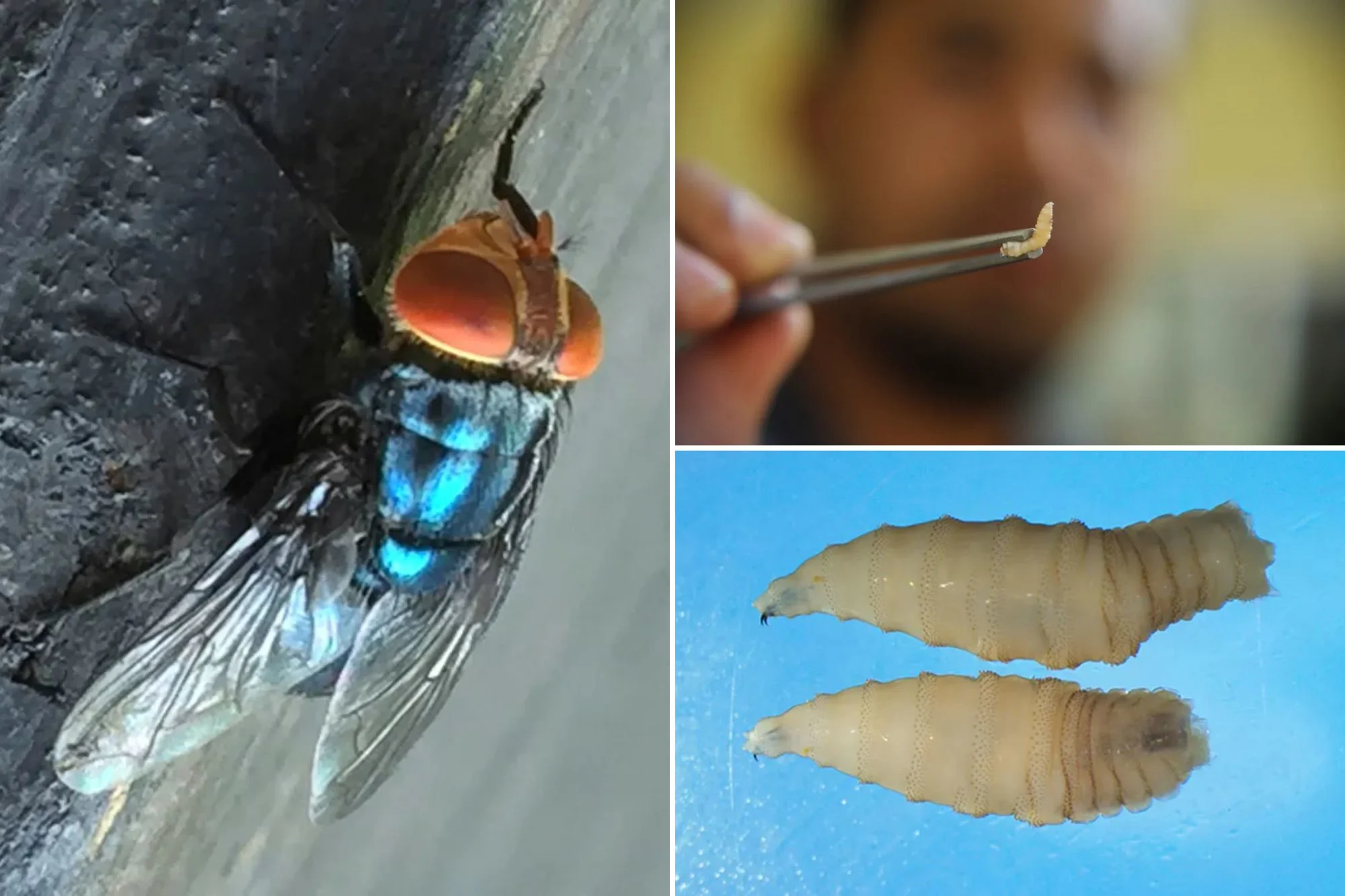
Here’s the kicker: the U.S. eradicated screwworms back in the 1960s with a genius plan—dropping sterile flies to stop their breeding. But in 2022, the containment barrier in Panama’s Darién Gap collapsed like a house of cards. Why? A flood of migrants and animals, plus some wonky weather, gave these flesh-eaters a free pass north. Now, they’re creeping through Mexico, just 400 miles from Texas. Critics are pointing fingers at lax border policies, saying they’ve rolled out the red carpet for this parasitic party.
Maryland’s Mystery “Resident” Raises Eyebrows
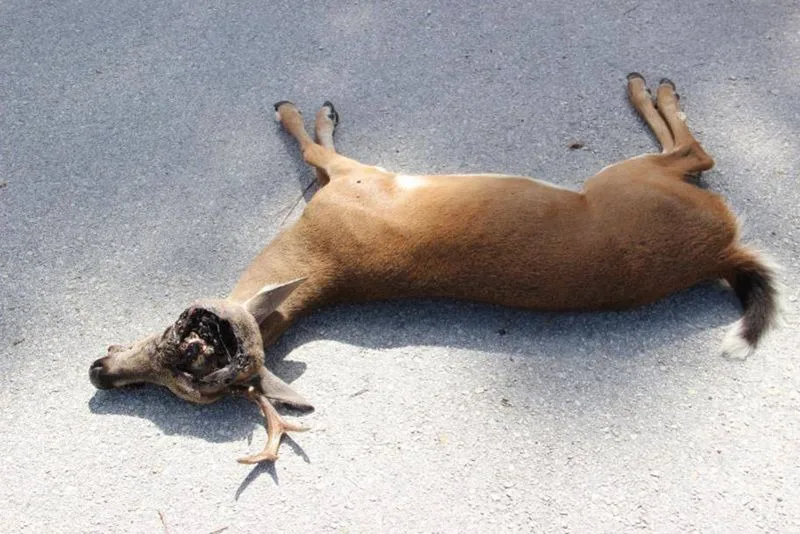
The Maryland case has tongues wagging. The patient, fresh off a trip from Central America (Guatemala or El Salvador, depending on who you ask), brought back more than souvenirs. Health officials call it an “isolated” case, but the lack of clarity about the patient’s status—citizen or not—has folks suspicious. The CDC’s tight-lipped approach isn’t helping. It is leaving ranchers and locals wondering if this is the tip of a flesh-eating iceberg. Meanwhile, the cattle industry’s sweating bullets over potential economic carnage.
Can We Stop This Creepy-Crawly Crisis?
The U.S. and Mexico are scrambling, throwing millions at sterile fly factories to push screwworms back to the Darién Gap. A new facility in Texas is in the works, but it’ll take years to fire up. For now, border closures and cattle trade bans are the name of the game. Screwworms threaten livestock and, in rare cases, humans. The big question: will tighter border controls keep these parasites at bay, or are we just slapping a Band-Aid on a gaping wound? Think about it—how much longer can we ignore the chaos spilling over our borders?
Comment on this article and let me know what you think!
Follow me on X: @CardioFixer
Discover more of my articles here and explore our team’s full collection here.