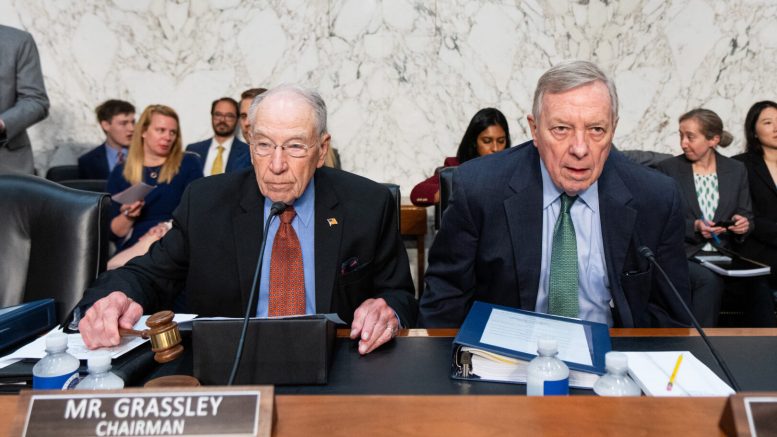

The Senate blue slip tradition has guided U.S. judicial nominations for over a century, letting home-state senators weigh in on federal judge picks. But why does politics—from local voices to D.C. debates—invade a process where judges swear to uphold the law and Constitution impartially? This article balances Senate blue slip tradition pros and cons while unpacking why human biases persist in selecting lifetime appointees.

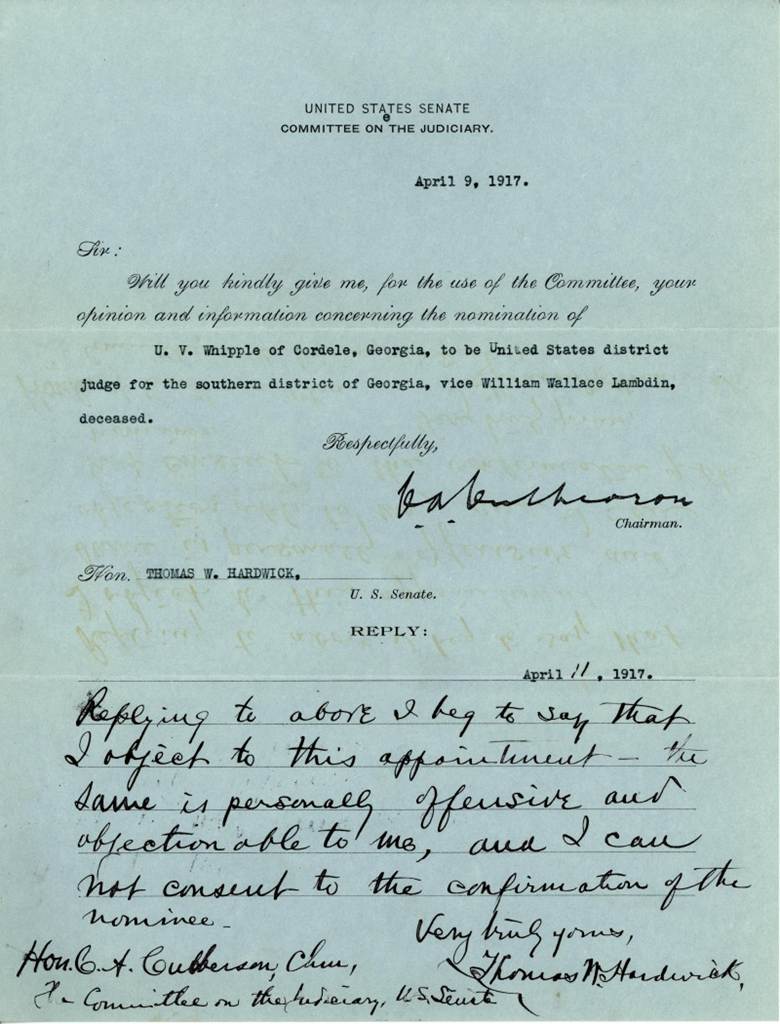
Historical example of a Senate blue slip from 1917 highlights the long-standing use of this tradition.
Understanding the Blue Slip Tradition
Blue slips began around 1917 as a Senate Judiciary Committee courtesy. Home-state senators receive blue forms to approve or object to district and circuit court nominees, acting as a soft veto to ensure local relevance. The blue slip tradition is not codified law, but enforced by committee chairs, who can adjust rules based on local context. This setup promotes collaboration but invites politics, as the Constitution’s Appointments Clause demands Senate “advice and consent.” Chairs like Sen. Chuck Grassley (R), who just turned 92 on Sept. 17, argue it aligns nominees with community values, preventing mismatches.
Why Politics Enters: Oath vs. Human Reality
Judges’ oath to “faithfully and impartially” interpret the law, yet nominations start politically. Presidents select based on ideology, consulting senators via blue slips. This aspect of the blue slip tradition injects partisanship: senators block for party reasons, not just merit.
Pros of Political Input via Blue Slips: Local knowledge ensures judges fit regional issues like crime or environment. It fosters bipartisanship, curbing extremes, and upholds traditions. The American Bar Association sees vetting as oath safeguard.
Cons and Risks: Critics like the Alliance for Justice (AFJ) call it obstruction, delaying diverse picks and echoing biases against civil rights judges. Politics persists because nominations are human-presidents strategize and senators negotiate power.
Balanced Perspectives: Defenders and Reformers
Supporters say blue slips protect minority rights and encourage deals. The Senate blue slip tradition, according to detractors, highlights delays causing vacancies, backlog cases, and politicized courts. However, both sides agree that politics in the judiciary needs reform into merit-focused outcomes.
Broader Context: Checks, Balances, and Public Trust
Senate blue slip tradition pros and cons reflect constitutional tensions in polarized times. It impacts justice access and widens divides.
Why the Senate Blue Slip Tradition Debate Resonates Deeply
Emotional Appeal: Frustration mounts: we crave impartial justice, but politics picks enforcers. Blue slips stir local pride yet fear cronyism—your disputes in partisan hands?
Controversial Sparks: Is input a shield or sabotage? Uneven history fuels call to codify or end it, prioritizing skills over stalls. Urge your senator to support merit-based vetting. Share to push apolitical reforms.
A Tradition Needing Balance
Blue slips guard input but amplify politics clashing with oaths. It’s significance is public faith in courts. Politics shapes picks—update blue slips for fairness, minimizing bias pre-oath. The blue slip tradition raises questions: Should merit-based skill of a potential judge be weighed heavier on the scale of justice than politics?