Folks across the country voice serious concerns as activist pressure mounts on corporations and businesses from various ideological groups. These organizations, whether small or large, push companies to shift policies or partnerships that align with their views. However, this often forces businesses into tough negotiations, pulling them away from daily operations like serving customers, creating or innovating products. Additionally, such demands spark debates on whether companies should always respond, especially when it leads to broader problems.

Moreover, everyday people wonder if this constant tug-of-war benefits anyone in the long run. Consequently, many feel uneasy about how activist pressure disrupts normal business flow without clear wins for public. To be sure, often in today’s political and social climate, instead of focusing on providing a quality product at a reasonable price, the businesses are more focused on their political or social ideology, weaving it into the company identity. This puts the focus and efforts in the wrong place.
How Activist Pressure Builds and Affects Companies
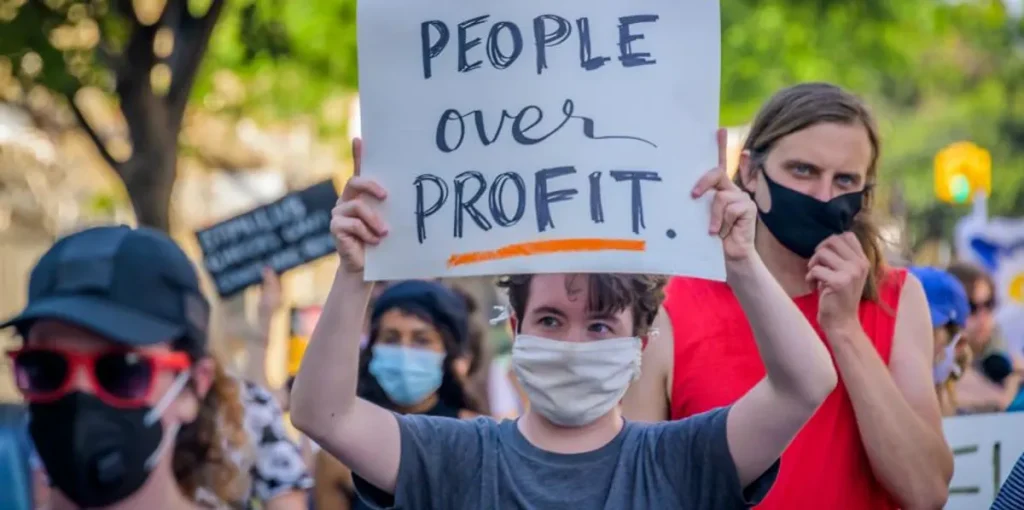
Activists vigorously rally with protests, boycotts, and social media campaigns, generating real issues for targeted firms. For instance, groups demand changes on topics like environmental practices or social stances, leading corporations to negotiate terms or adjust strategies. Furthermore, these interactions sometimes result in companies spending heavily on public relations or legal defenses, which strains time and resources. Besides that, ideological clashes from opposing sides create even more confusion, as businesses try to satisfy one group without alienating another.
As a result, executives face heightened stress, while operations slow down. In addition, this activist pressure can boost ethical or moral improvements but often hurts financial health, raising alarms for stakeholders. Therefore, companies must balance responding to demands without losing focus on core goals. Last year, a record-breaking 27 CEOs stepped down from companies under pressure from activist investors, as shareholders pushed back against executives they believed were too slow to enhance market value.
The Hidden Costs That Hit Consumers Hard
Activist pressure generates economic ripples that concern average Americans the most. Businesses, under siege from multiple fronts, increase spending to handle negotiations or comply with changes, and they frequently pass those costs onto shoppers through higher prices. Moreover, boycotts or counter-campaigns amplify market volatility, affecting stock values and investment returns for everyday savers. Additionally, when firms raise prices to cover activism-related expenses, families feel the pinch at grocery stores or online checkouts. However, this setup leaves consumers caught in the middle, paying more without direct input. Furthermore, neither activists nor corporations should act without limits, as unchecked pressure can lead to unnecessary burdens. Consequently, many express frustrations over how activist pressure indirectly hikes living costs for everyone.
Seeking Fair Ways to Handle Activist Pressure
The majority of consumers in America earnestly seek balanced approaches to manage activist pressure without extreme fallout. Policymakers push for rules that protect free speech while shielding businesses from undue harm and protecting the consumer in the process. In addition, companies adopt neutral stances to avoid ideological battles, focusing instead on transparent practices and their product. These are the companies that usually continue to thrive. Moreover, dialogue between groups and firms could reduce conflicts, ensuring positive changes without economic strain. As a result, this fosters accountability on both sides. Therefore, addressing activist pressure thoughtfully helps prevent average folks from bearing the brunt. However, to be clear, if the stance of either activists or the businesses are ridged it is the consumer who will pay the price.

Broader Effects Demand Attention Now
Activist pressure raises valid points on ethics, yet it creates widespread concerns when negotiations escalate costs for everyone. People urge solutions that respect all views while keeping prices stable with quality products and customer service. That is a tall order indeed in todays world!
How do you view businesses that choose to engage in social or political controversies versus those pulled into them by activists? What’s your perspective on businesses or activists who prioritize their personal social or political ideologies above all else?