In modern America, countless people wrestle with the urge to mask elements of their true selves. Hiding identity frequently arises from genuine worries or imagined threats, influencing daily choices and emotional states. Individuals balance self-protection with the desire for genuine expression. For example, ethnic minorities often modify their actions to fit in seamlessly. Additionally, this behavior deeply affects psychological well-being and interpersonal bonds. As communities grow more diverse, grasping these patterns proves crucial for fostering empathy.


Genuine Threats Fueling Concealment
Various groups encounter real dangers that compel hiding identity. Black individuals face substantial bias, with 74% noting some form of discrimination in society. Hispanic people report similar issues, at 72%. Meanwhile, LGBTQ+ members take precautions against prejudice, as nearly 80% sidestep scenarios that might reveal their orientation. Over half of LGBTQ+ employees conceal their status at work to evade hostility. Immigrants also confront stigma, harming their health and prompting hiding identity. 57% of the Asians’ or six out of ten view discrimination as a major problem. The numbers are increasing for discrimination against Arabs and Jews in America. White Americans are experiencing increased discrimination depending on their political affiliation.
Jewish Americans increasingly alter habits amid rising antisemitism; 56% changed behaviors in 2024 due to safety fears, with 40% avoiding public displays of faith symbols. Native Americans endure widespread mistreatment too—23% face discrimination in healthcare, while 38% report violence against themselves or kin. In Native-majority areas, over half experience bias in jobs (54%). Christians, particularly evangelicals, withhold beliefs; 33% of young white evangelicals (18-39) avoid sharing faith with loved ones. Conservatives practice self-censorship amid perceived liberal dominance; 62% of Americans fear voicing views, but conservatives report higher rates than liberals. These safeguards defend against insults, exclusion, or harm. Thus, hiding identity acts as a barrier in unfriendly spaces.
Assumed Dangers and Hypothetical Fears
Apart from tangible risks, presumed perils also spur hiding identity. Folks might suppress traits, anticipating judgment from hearsay or portrayals in media. Yet, this caution often links to wider cultural strains. Digitally, users disguise opinions to escape backlash or shunning. Multiracial individuals navigate through fluid labels, with 6.9% only selectively revealing heritage. LGBTQ+ groups deal with stress from expected bias, varying concealment daily. Hence, without direct menace, thoughts magnify hazards, breeding solitude.
Free Speech Ties to Hiding Identity
Hiding identity intersects with free speech concerns, as self-censorship stifles open dialogue. Nearly half of Americans self-censor, fearing repercussions. One in six discuss politics freely, while three-quarters hide views from some. For conservatives, 33% feel unable to express opinions. Christians face similar pressures on campuses, contributing to broader suppression. Jews report changing behaviors due to fears, resulting in speech chill. Native Americans‘ experiences of bias often silence cultural expression. Overall, 69% believe America veers wrong on free speech. This erosion prompts more hiding identity to avoid conflict.
Effects on Everyday Existence and Health
Hiding identity imposes steep psychological tolls. It diminishes confidence and a sense of inclusion, since masking stigma heightens alienation. Around 20% of the overall national sample experienced recent identity-based discrimination, tying it to worse mental states. In professional and educational settings, these restraint curb prospects and ties. However, welcoming spaces lessen hiding identity needs. Groups valuing variety enable open flourishing communication. In essence, tackling these concerns demands compassion and reforms to build security.
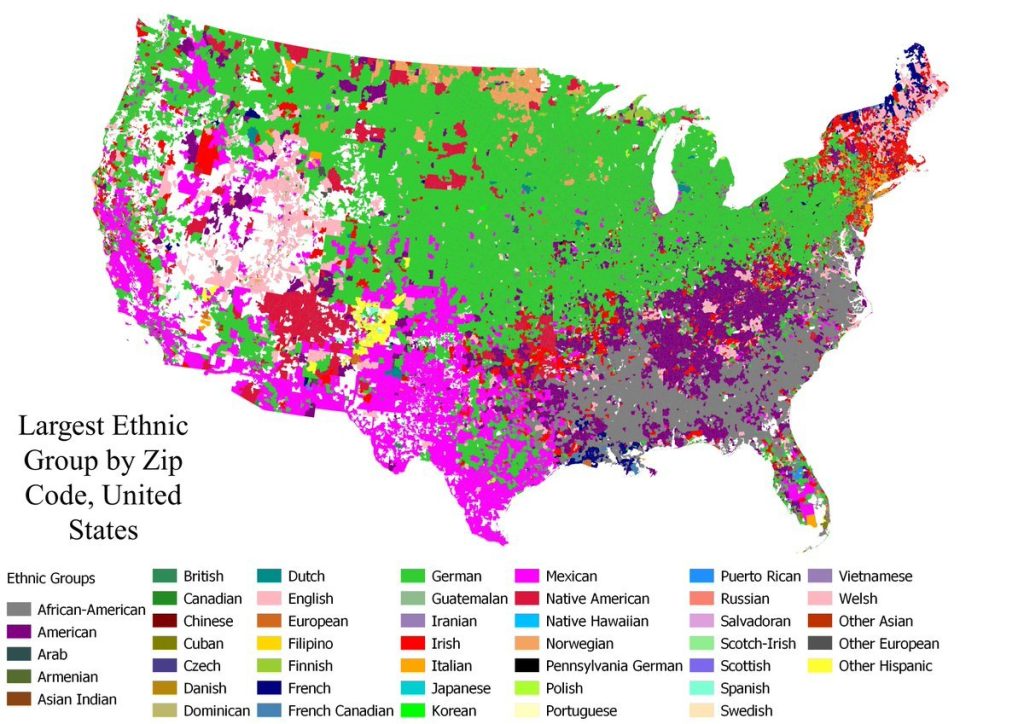
With America’s shifting landscape, pondering hiding identity uncovers profound disparities. Advancing acceptance uplifts all, shifting concealment from obligation to option. Are you proud of your American heritage-truly the only melting pot in the world-or are you hiding your identity in America?