Many Americans feel alarm about the growing talk of organized protests that could shake up our government. Groups like Indivisible openly discuss strategies that resemble foreign tactics for regime change. This raises alarms because such moves might disrupt our daily lives and national stability. Indeed, recent revelations show how funded networks plan these actions, and people wonder if true grassroots efforts still exist. Currently, in the planning stage is “Color Revolution.”

Understanding Color Revolution Tactics
Experts define a color revolution as a series of protests and riots that push for major political shifts, often using a specific color as a symbol to unite crowds However, these events sometimes receive outside support, which blurs the line between genuine public outcry and orchestrated campaigns. For instance, past examples in places like Ukraine and Georgia involved massive street actions that toppled leaders. Now, similar ideas appear in U.S. discussions, and this is daunting for citizens who value peaceful democracy. Moreover, analysts note that foreign powers have used these methods to influence outcomes, making many question if America faces the same risks.
Indivisible’s Background and Financial Ties
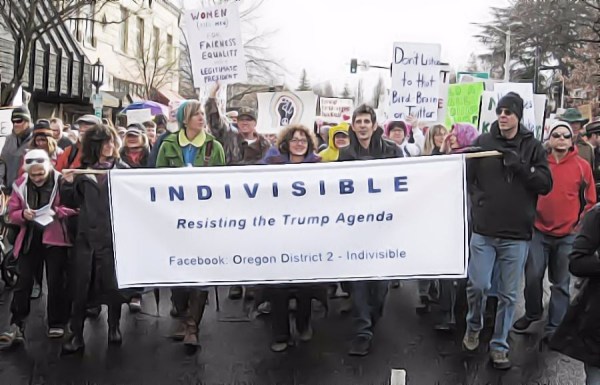
Indivisible stands out as a key player in progressive activism, coordinating protests across the country. The group has received over $7.6 million from George Soros’s Open Society Foundations since 2017, which fuels concerns about independent operations. Additionally, reports highlight how this funding helps organize events that look spontaneous but involve paid coordinators. Therefore, skeptics argue that such support creates “astroturf” movements, where big money drives the agenda rather than everyday people. Furthermore, Indivisible’s leaders, including Ezra Levin, have ties to Soros-funded entities, amplifying fears of hidden influences in domestic politics.

Recent Talks on Launching a Color Revolution
In a recent virtual meeting, Indivisible members spent time debating colors for what they called a potential 2028 color revolution in the U.S. Options like purple, yellow, and black came up as symbols to rally supporters. This discussion, captured in audio shared online, shows strategic planning for large-scale actions. Consequently, observers express deep concern that these talks signal preparations for widespread unrest. Besides, the group’s history of anti-Trump protests and riots adds to the tension, as similar efforts in the past led to heated confrontations. Thus, many Americans worry that escalating tactics could divide communities further.
Potential Impacts on Society and Governance
If a color revolution unfolds here, it might strain law enforcement and economic stability, as seen in other nations where protests halted daily activities. People fear that funded groups could exploit divisions, leading to chaos that affects everyone from families to businesses. Nevertheless, awareness grows about these plans, prompting calls for transparency in funding. In addition, government officials have warned about investigating such networks, which might curb extreme actions. Overall, this situation urges vigilance to protect our democratic processes from undue influence.
As discussions continue, citizens must stay informed about these developments. After all, preserving unity and freedom requires addressing these concerns head-on. What do you think should be done to curb people from buying their way to further their own personal ideology, against our Constitution, and control the rest of us?