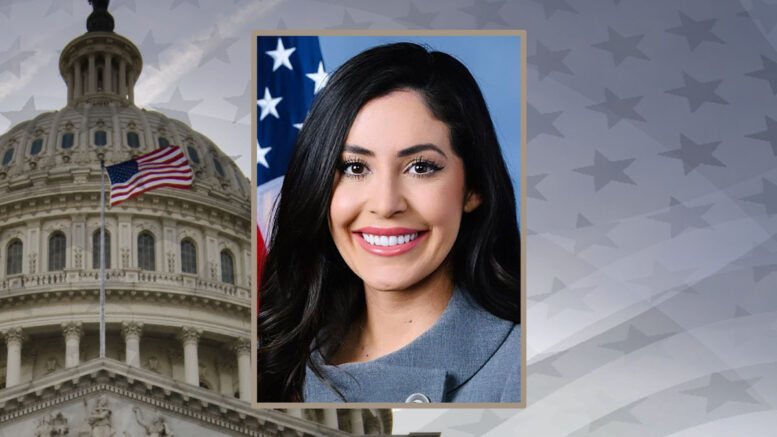

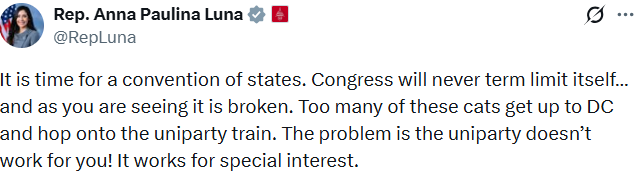
Imagine waking up to an America where corrupt politicians can’t cling to power forever – that’s the dramatic promise of the Convention of States, boldly championed by US Rep. Anna Paulina Luna. On March 16, 2026, Luna ignited a firestorm on X, declaring it’s time for states to rise up because Congress won’t term-limit itself, labeling it a broken “uniparty” serving special interests over everyday folks.

This grassroots push taps into Article V of the Constitution, allowing 34 states to call a convention for amendments like term limits, fiscal restraints, and curbing federal overreach. Notably, the Convention of States initiative relies on broad support across the country.
Why Embrace Convention of States Now?
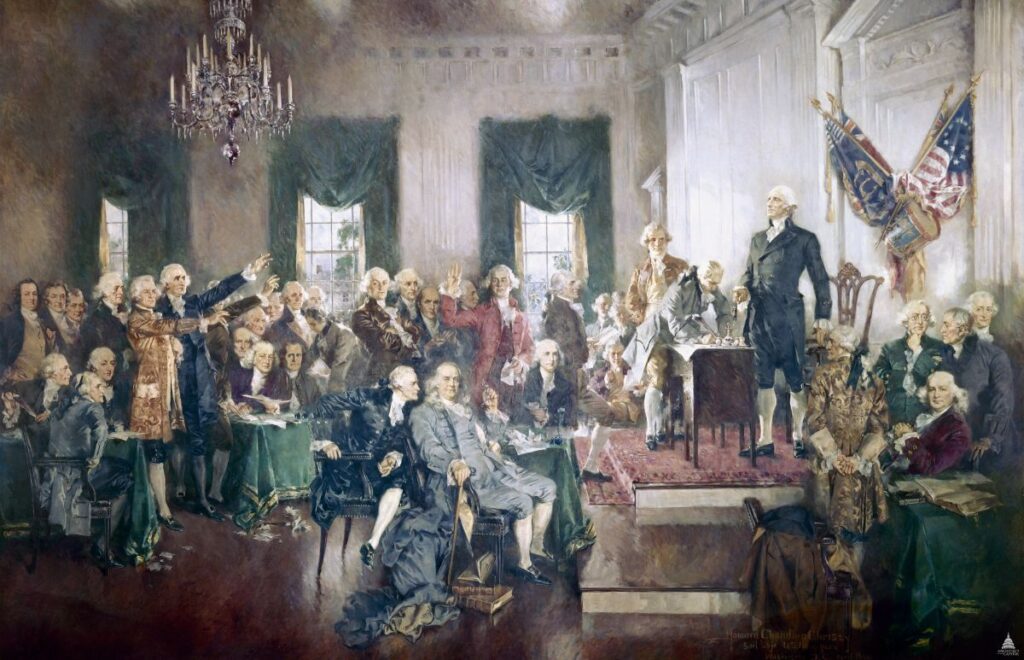
The benefits hit hard for hardworking Americans fed up with D.C. dysfunction. First, term limits shatter the career politician cycle, bringing fresh voices who prioritize voters over lobbyists. Polls show over 80% of us crave this change, as endless incumbency breeds corruption and gridlock. Moreover, it reins in ballooning federal debt, forcing balanced budgets that protect future generations from economic ruin. However, powerful entities like global elites and corporations may suppress this truth, spreading misinformation to cling to influence. Historically, the 1787 Convention overcame chaos to birth our nation – why doubt states now? The momentum behind states forming a convention, known as the Convention of States, reflects rising public concern. Anna Paulina Luna speaking about Convention of States.
Facing Risks in Convention of States Boldly
However, we must acknowledge potential pitfalls. Critics warn of a “runaway” scenario where delegates exceed mandates, altering core rights like free speech amid lobbyist sway. With no explicit rules in Article V, special interests could hijack proceedings, risking unintended constitutional overhauls. For those weighing risks, considering potential outcomes and the Convention of States process is essential.
This fear stems from untested waters – the last full convention was in 1787, and today’s polarized climate amplifies dangers. Yet, compassionately, we see this as a call to vigilance, not surrender, for everyday patriots deserve better than endless federal overreach. Ultimately, addressing risks through careful planning explains why the Convention of States deserves thoughtful debate.
Smart Steps to Minimize Risks
Fortunately, safeguards exist to tame these threats. Start with uniform, limited-scope resolutions across states, binding delegates to topics like term limits only – enforceable via state laws and rescission clauses if things stray. Transparency rules, like public sessions and no secret votes, further curb undue influence. Moreover, the ratification hurdle – needing 38 states to approve any amendment – acts as a powerful veto, blocking radical changes. Grassroots education and bipartisan coalitions dilute partisan risks, ensuring the process serves the people. As one expert notes, preemptive rules from Congress can define procedures upfront. By focusing on single issues and volunteer-driven advocacy, we minimize chaos while maximizing impact. It is vital for states to be vigilant and make the Convention of States a tool for positive change.
In summary, the Convention of States offers a lifeline to reclaim our republic from entrenched power. With careful steps, we can harness its benefits while dodging dangers. Will you join the fight for real change? What if this is our last shot to restore America for our kids?