Corporate cowardice reaches alarming heights as companies shield employees who brazenly celebrate the shocking death of conservative figure Charlie Kirk. These organizations favor misguided notions of free speech over fundamental human decency, letting poisonous attitudes thrive unchecked. Outrage surges while firms stall, declining to discipline staff for repulsive social media outbursts. This reluctance broadcasts a chilling signal that malice overrides workplace integrity. Kirk met his end in a shooting at a Utah gathering on September 10, 2025, triggering national mourning, yet certain employees rejoiced online.

Corporate cowardice emerges vividly when executives dismiss demands for decency. Businesses attempt to invoke First Amendment defenses to evade duty, though analysts stress private entities face no such barriers. However, public institutions occasionally withhold penalties due to legal safeguards, igniting fierce discussions on appropriate discourse. This delay shatters public confidence, as people insist on rapid responses to those glorifying brutality. Threats of consumer backlash are growing for entities viewed as lenient on injustice.
Businesses Display Corporate Cowardice by Protecting Hateful Workers
Corporate cowardice arises from dread of legal battles or pushback from activist circles. Nevertheless, jurists emphasize that non-government firms can uphold conduct rules freely. Therefore, failing to dismiss such workers fosters societal rifts. For example, corporations like Nasdaq and Office Depot swiftly ousted personnel for callous statements, while others dither behind ambiguous guidelines. Furthermore, government bodies warn of repercussions, but select public employers resist, leaning on constitutional arguments. This inconsistent approach exposes double standards, as companies tackle other offenses aggressively but stumble here.
Moreover, corporate cowardice overlooks widespread damage. Workers applauding fatalities entrench radical and violent views, contaminating team dynamics. Bereaved relatives endure amplified anguish from unbridled jubilation. However, entities that respond firmly, such as Delta grounding employees, garner admiration. Nevertheless, those embodying corporate cowardice invite brand harm, with consumer campaigners exposing offenders and clamoring for justice.
Corporate Cowardice’s Toll on Communities
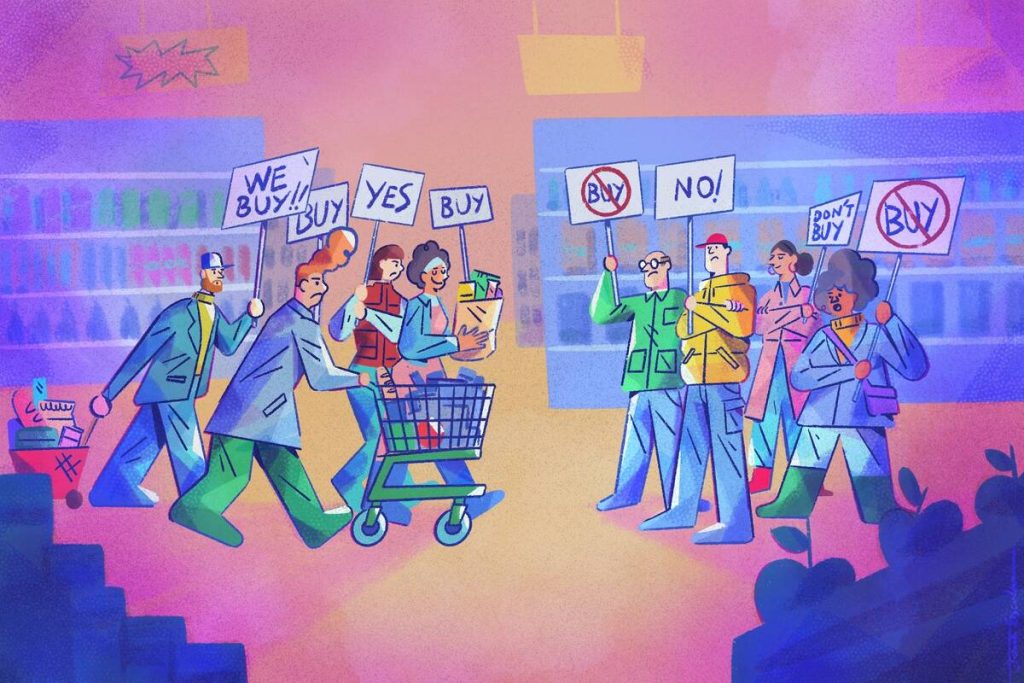
Communities bear the brunt of corporate cowardice. Ignored festivities widen polarizations, spurring escalated digital hostility. Impressionable staff observe zero consequences, sustaining hate loops. Therefore, organizations must enforce norms proactively. Their refusals spark intensified scrutiny via online campaigns. Specialists caution that this passivity might trigger policy overhauls curbing protections for destructive rhetoric.
Moreover, corporate cowardice hampers recovery following calamities like Kirk’s murder. Nevertheless, some government workers dodge dismissal through speech exemptions, prompting pushes for stricter protocols. Shoppers retaliate economically, shunning delinquent businesses. This drives transformations, mirroring historical patterns where activism compelled shifts.
Lessons from Boycott Triumphs Over the Past Decade
Boycotts deliver potent lessons, proving consumer power forces accountability amid corporate cowardice. For instance, the 2023 Bud Light campaign backlash caused a 26% sales plunge, dethroning it as America’s top beer and erasing billions in value. Similarly, Target’s 2023 Pride merchandise controversy triggered a 5% revenue drop and $12 billion market loss, prompting product adjustments. Furthermore, Adidas severed ties with Kanye West in 2022 over antisemitic comments, absorbing a $1.3 billion hit but upholding ethics. However, not all succeed; Amazon’s ongoing labor disputes yield mixed results despite calls. Nevertheless, these victories show boycotts erode profits and compel reforms, urging action against firms tolerating Kirk death celebrations.
Combating Corporate Cowardice Effectively
Citizens counter corporate cowardice through vocal insistence on openness and their pocketbook. Therefore, businesses endure examinations of grievance processes. Moreover, coalitions boost advocacy, pressing for terminations in egregious cases. Ethical training curbs problems upfront. However, genuine advancement demands executives discard justifications and proceed decisively. Everyone gains when companies favor cohesion over discord-unity over disunity. Nevertheless, as long as corporate cowardice persists, conflicts escalate and the Consumer will have the last word. Would you endure some minor inconvenience for your integrity and beliefs by not supporting businesses that tolerate inhumanity, radical and violent views?