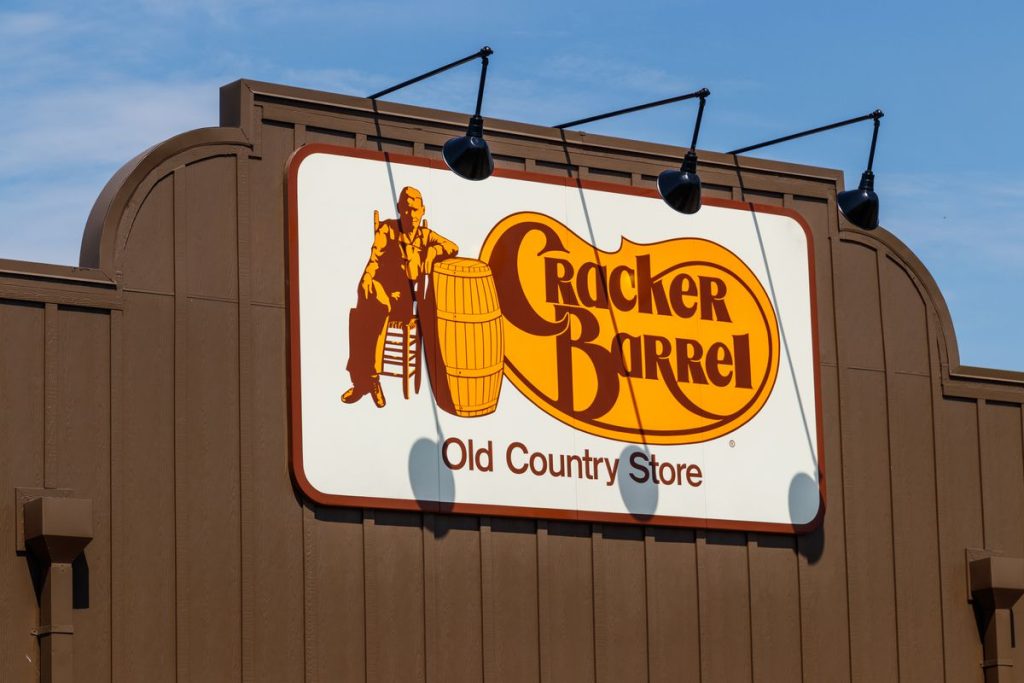
Cracker Barrel Old Country Store, a beloved fixture of American dining since 1969, recently found itself at the center of a storm. This situation has left many questioning the soul of the brand. The controversy began with a seemingly innocuous decision to update the chain’s logo and interior design. However, it quickly escalated into a broader debate about authenticity, corporate values, and the preservation of heritage. This situation raises profound questions about how businesses navigate the tension between staying relevant and staying true to their roots.

The Spark of Discontent
The trouble started when Cracker Barrel unveiled a new, minimalist logo. It replaced the iconic “Uncle Herschel” image with a simple yellow silhouette. This change, intended to appeal to a younger audience, instead ignited a firestorm of criticism. Conservative activists and customers alike accused the chain of abandoning its Southern heritage in favor of a “woke” agenda. The backlash was swift and severe. Social media platforms buzzed with outrage, and the company’s stock price took a hit. This reaction underscores a deeper anxiety about the erosion of traditional values in corporate America.
A Deeper Dive into the Controversy
Beyond the logo, the controversy revealed unsettling truths about Cracker Barrel’s operations. The quality of Cracker Barrel’s food has declined as the chain tries to cut corners on preparation. This revelation shattered the illusion of authentic “Home Cooked” meal that many customers cherished. It also highlighted a broader trend in the restaurant industry. Cost-cutting measures can compromise the very qualities that define a brand.
The situation was further complicated by accusations that Cracker Barrel had embraced diversity, equity, and inclusion (DEI) initiatives. These included partnerships with organizations like the Human Rights Campaign (HRC). While these efforts aimed to modernize the brand, they alienated a segment of the customer base that valued the chain’s traditional image. This tension between progress and preservation is not unique to Cracker Barrel. It reflects a larger cultural divide.
The Road Ahead
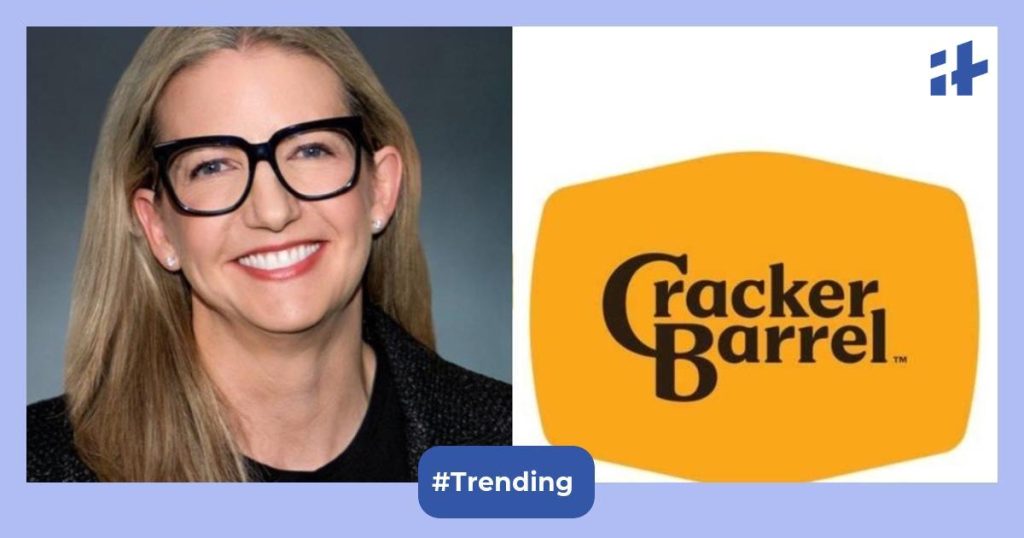
In response to the outcry, Cracker Barrel swiftly reversed course. On August 26, 2025, the company announced it would revert to the original “Old Timer” logo and reaffirm its commitment to traditional values. This decision, while pragmatic, does not fully address the underlying issues. Can a brand truly recapture its essence once it has been perceived as straying from its path? The challenge for Cracker Barrel, and similar institutions, is to find a balance. They must honor quality product and their heritage while adapting to a changing world.
This episode serves as a cautionary tale for businesses everywhere. It reminds us that customers are not just consumers of products but custodians of brand identity. When that identity is threatened, the response can be swift and decisive. Cracker Barrel’s journey is far from over, and its ability to navigate this crossroads will determine its future.
Reflecting on the Bigger Picture
The Cracker Barrel controversy invites us to consider broader questions about authenticity, tradition, and the role of corporations in society. In an era of rapid change, how do we preserve what matters most? This is not just a question for Cracker Barrel but for all of us as we grapple with the evolving landscape of our cultural institutions.