
Shocking Rise in Despair Deaths Grips Nation
Imagine a crisis deadlier than the Great Depression’s darkest days, quietly claiming lives through addiction, suicide, and booze. Today, “despair deaths”—from drug overdoses, suicides, and alcohol-related liver disease—are skyrocketing, hitting rates two to three times higher than the 1930s, per CDC data. What’s driving this grim epidemic? Economic rot, social decay, and a drug crisis unlike anything our grandparents faced. Read on to uncover why despair is killing more Americans now than during history’s worst economic collapse.

Great Depression: Hard Times, Lower Toll
During the 1930s, unemployment hit 25%, and families scraped by in shantytowns. Yet, despair deaths stayed relatively low, around 22–26 per 100,000 people, says a 2019 Congressional report. But tight-knit communities and New Deal aid softened the blow.
Modern Despair: Opioids Fuel a Fire
Fast forward to 2017–2023, and despair deaths have nearly tripled to 55–60 per 100,000, per 2025 CDC analyses. Drug overdoses, especially from fentanyl and heroin, drive the surge. Over 70,000 overdose deaths in 2022 alone dwarf the Depression’s toll – more than the total killed in Vietnam. Alcohol-related deaths have nearly doubled, climbing to 10–12 per 100,000. And the opioid epidemic, born from overprescribing and cartel-fueled smuggling, makes despair a modern plague with no historical match.
Why Worse Now? Economy and Isolation
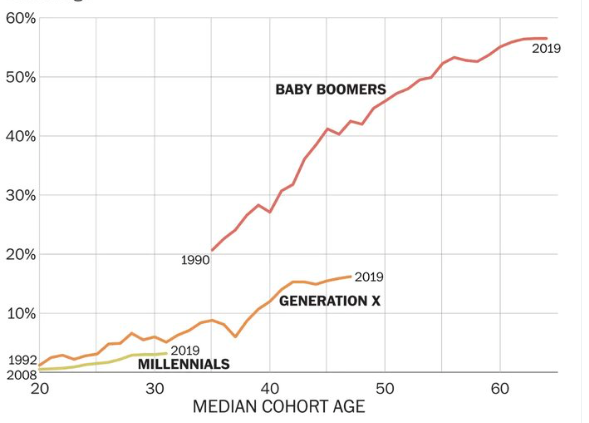
Why does despair kill more today? It started in 1971, when America ditched the gold standard. With the US dollar untethered to anything real, and the fact that it was the world’s reserve currency, the game was on. Now the politicians and their corporate allies could print as much cash as they wanted. At the same time, the US began to normalize relations with China. They theorized that introducing the communists to capitalism would teach them that it is a superior system. What resulted wasn’t world capitalism; it was world corporatism – a system that appeared capitalistic, but was actually a kind of oligarchy. Powerful politicians and their corporate allies created a revolving door of power. It opened Chinese slave labor to the American captains of industry, while at the same time, they were building new factories in poor countries like Mexico. It gave us the Rust Belt. Social ties frayed, too—families shrank, churches emptied, and social media bred loneliness. Unlike the 1930s, where neighbors rallied, today’s isolation fuels addiction and suicide.
Failed Policies Amplify the Crisis
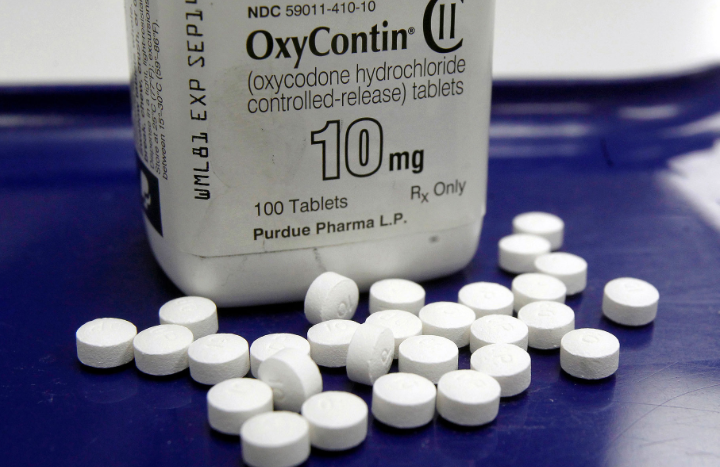
Public health was taken over by corporations – Big Pharma. Their emphasis shifted from cures to “treatment,” and the flood of ever more psychotropic drugs. The antidepressant market skyrocketed as people lost hope. The Sackler family business, Purdue Pharma, marketed oxycontin as the cure-all for any kind of pain, and the opioid epidemic exploded. High tech created wonders but increased social isolation. “Community” became a quaint notion of the past.
Final Thoughts and a Question
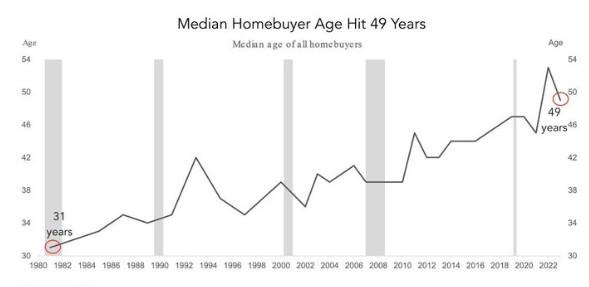
There used to be “Five and Dime” stores. Today every strip mall has a “dollar” store because what a dollar bought in 1971 now costs $32. The value of the dollar has dropped by 20% in the last 5 years alone. In 1971, dad worked, mom was a homemaker, and the family owned a house. For today’s youth, home ownership is nothing but a pipe dream; and the Trump administration is floating the insane idea of a 50-year mortgage. Political populism is taking the country by storm: MAGA on the right, and Antifa on the left. Today’s despair deaths, far surpassing Great Depression rates, stem from opioids, economic decay, isolation, and grifting government and corporate actors. The 1930s had hardship but also unity and action; we have neither. Is the American Dream dead, or can it be revived?
Follow the author on X: KM Broussard
My articles on patriotnewswire.com