Imagine waking up to news of fighter jets buzzing a U.S. warship, with tensions simmering just off Venezuela’s coast. That’s the reality unfolding today, September 5, 2025, as two Venezuelan F-16s fly dangerously close to the USS Jason Dunham. This bold move follows a U.S. strike on a suspected drug boat, sparking a global ripple effect. Meanwhile, the United States counters with ten F-35 jets deployed to Puerto Rico, led by President Trump and Defense Secretary Pete Hegseth. As the world watches, this incident invites us to ponder deeper questions about power, alliances, and the fragile peace we often take for granted.
A Provocative Act Ignites Global Concern
Firstly, let’s consider the Venezuelan flyover. Reports confirm that on September 4, 2025, these jets tested U.S. resolve in the Caribbean, a region already tense due to drug cartel conflicts. This act isn’t just a show of force; it signals Venezuela’s defiance against a U.S. military operation that claimed 11 lives. Transitioning to the U.S. response, the deployment of advanced F-35s to Puerto Rico underscores a commitment to combat narco-terrorism, particularly the Cartel of the Suns. Yet, this escalation prompts a critical question: are we edging closer to a larger conflict, or can diplomacy still prevail?
WASHINGTON — The Department of the Treasury’s Office of Foreign Assets Control (OFAC) sanctioned the Cartel de los Soles (a.k.a. Cartel of the Suns) as a Specially Designated Global Terrorist. Cartel de los Soles is a Venezuela-based criminal group headed by Nicolas Maduro Moros and other high-ranking Venezuelan individuals in the Maduro regime that provides material support to foreign terrorist organizations threatening the peace and security of the United States, namely Tren de Aragua and the Sinaloa Cartel.

International Voices Weigh In
Moving forward, the global reaction reveals a divided stage. Russia, a key ally of Venezuela, has condemned the U.S. strike, with Kremlin officials hinting at potential support for Maduro’s regime. Meanwhile, the United Nations has scheduled an emergency meeting for later today, reflecting widespread unease. Transitioning to Latin America, countries like Colombia express concern over spillovers, while Brazil pushes for a regional summit. Furthermore, Europe’s cautious stance, with North Atlantic Treaty Organization (NATO) allies urging restraint, adds another layer to this complex puzzle. Collectively, these responses force us to ask: who holds the power to de-escalate, and at what cost?
The Bigger Picture: Power and Peace
Shifting our focus, this incident highlights the delicate balance of international relations. The U.S. frames its actions as a fight against drug trafficking, a noble cause for many. However, Venezuela and its supporters view it as an imperial overreach, a narrative gaining traction globally. Additionally, China’s economic ties to Venezuela complicate matters, potentially drawing more players into the fray. As a result, ordinary people might wonder: are we witnessing the start of a new cold war, or can dialogue rewrite this story? The stakes feel personal when we consider the lives affected by cartel violence and military posturing.
The Human Cost in the U.S. from the Cartel of the Suns
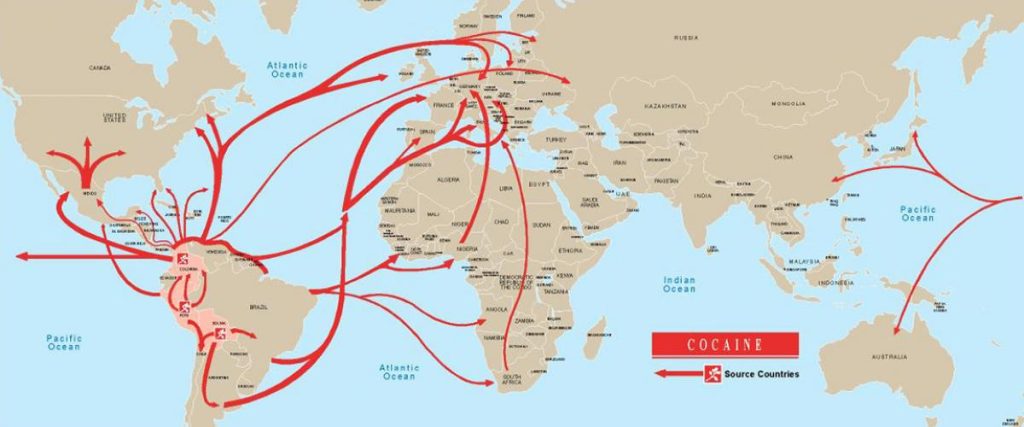
Moreover, the U.S. bears a heavy human toll from the Cartel of the Suns’ drug trade. Thousands of American lives are lost annually to cocaine overdoses, with the cartel flooding streets from Miami to Los Angeles. Families shatter as addiction grips communities, while law enforcement faces rising violence from cartel-linked gangs. In 2024 alone, over 25,000 overdose deaths tied to Venezuelan cocaine were reported, straining healthcare systems. Transitioning to the economic impact, billions are spent on treatment and policing, diverting resources from education and infrastructure. This crisis fuels debates: should the U.S. prioritize military action or rehabilitation? The human cost demands we reflect on solutions beyond borders.
Reflecting on Our Role
Finally, this moment challenges us to think beyond headlines. Social media is showing a world split between support and skepticism. We must ask ourselves: how do our voices shape this narrative? What kind of world do we want to live in? Above all, as this story unfolds, let’s remember the high cost of drug cartels to our families, our way of life and our future.