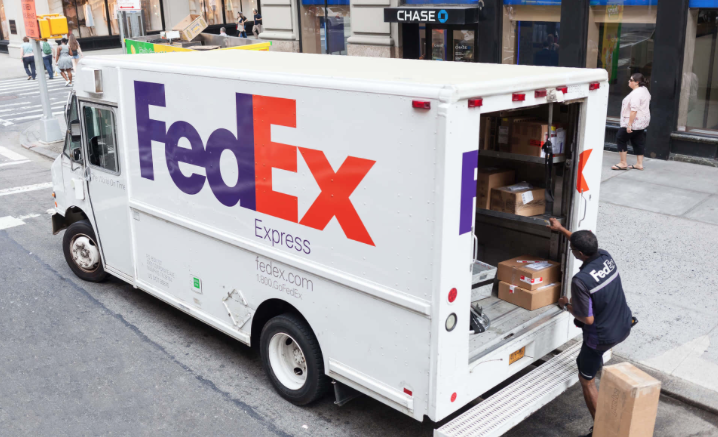

FedEx scored a huge federal contract worth $2.24 billion in late 2022. This deal lets the company handle package deliveries for U.S. government agencies. Yet soon after, reports showed a sharp rise in foreign workers hired through the H-1B visa program. At the same time, FedEx cut hundreds of American jobs across states like Texas. This has fueled real anger. Many see it as a clear “America last” attitude from a company using taxpayer money. The U.S. Transportation Command awarded the Next Generation Delivery Service-2 contract. It covers a base period from April 2023 to September 2026, with options to 2030. FedEx shares this work with UPS and others. Public USCIS data shows FedEx had about two dozen approved H-1B workers in 2022. By 2025, that number climbed to around 500. The biggest jumps hit in 2024 and 2025. Some roles, like digital marketing advisor or engineering specialist advisor in Texas, listed pay from $100,000 to $115,000.

Meanwhile, layoffs rolled out
In November 2025, FedEx planned to eliminate 856 jobs at a Coppell, Texas warehouse. Earlier cuts included 305 positions in Fort Worth and 131 more in Garland and Plano. Other states like Memphis, Kentucky, New York, and Pennsylvania saw reductions too. Some tied to lost client contracts or facility changes. Critics point to the timing. They argue the company prioritizes cheaper foreign talent over loyal American workers. This fits a broader debate on H-1B visas. The program aims to fill skilled jobs. However, many fear it suppresses wages and displaces locals, especially with taxpayer-funded contracts involved.
FedEx pushes back hard.
The company says H-1B workers make up less than 0.05% of its U.S. workforce. In 2025, it sought fewer than 100 new H-1B visas. Much of the reported increase came from corporate mergers. FedEx stresses layoffs hit operational roles. These do not qualify for H-1B visas, which require advanced degrees. The firm insists it hires based on skills and business needs. It complies with all immigration laws. However, the optics sting. A company winning big government work should put Americans first. Instead, the pattern raises tough questions about loyalty to U.S. workers. Should companies with federal contracts face stricter rules on hiring foreign workers when layoffs hit home? What do you think?
Follow the author on X: KM Broussard
My articles on patriotnewswire.com
More on the H-1B visa program here