Declassified files spark a grand jury probe into Obama officials’ Trump-Russia claims. Did they fabricate evidence? The 2016 election remains a hot topic, and now a grand jury is investigating whether Obama administration officials, like James Comey, John Brennan, and James Clapper, faked evidence tying Donald Trump to Russia. U.S. Attorney General Pam Bondi launched this probe after Tulsi Gabbard, Director of National Intelligence, declassified explosive documents in July 2025. These files suggest a plot to smear Trump. If true, what accountability awaits? Let’s dive in to uncover the truth.

Documents Reveal Alleged Plot
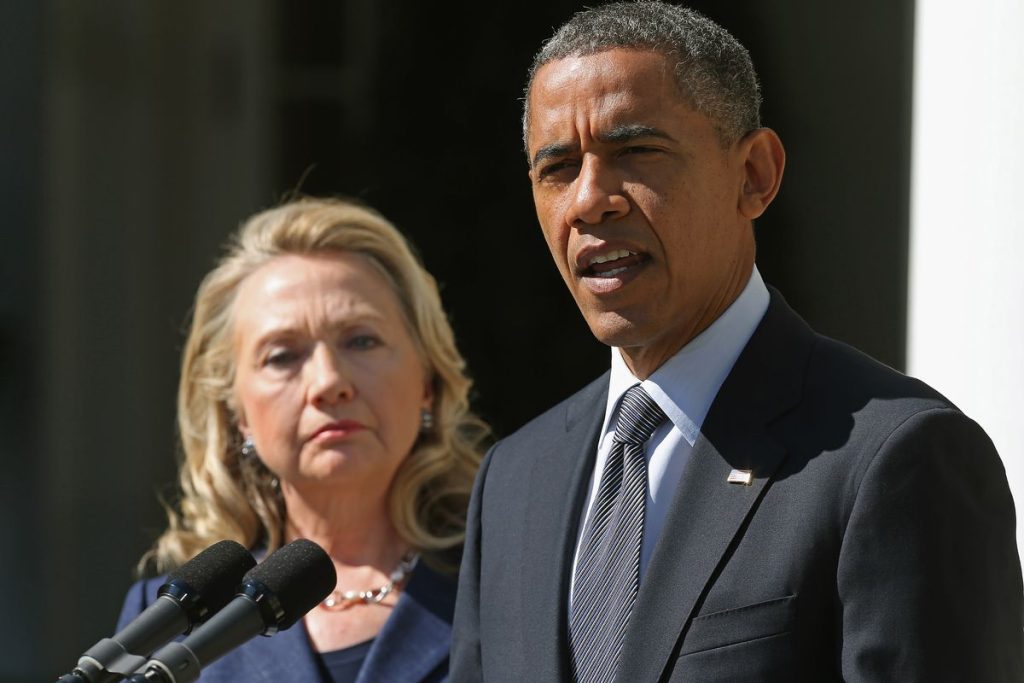
Gabbard’s declassified files, including a 2020 House Intelligence Committee report claims the 2017 Intelligence Community Assessment (ICA) was flawed. It used shaky sources, like the Steele dossier, to argue Russia helped Trump win. However, earlier memos stated Russia couldn’t hack vote counts. Gabbard says Obama’s team pushed a false narrative to aid Hillary Clinton. A Durham report annex, released via Senator Chuck Grassley, suggests Clinton’s campaign sparked the Trump-Russia story, though some call it Russian disinformation.
Grand Jury Steps In
On August 4, 2025, Bondi ordered a grand jury to examine these claims. The jury is digging into evidence to see if officials committed crimes like lying under oath or abusing power. If proven, they could face serious consequences. Perjury carries a five-year prison term, while obstruction of justice could mean seven years. Conspiracy charges, if they coordinated a smear, also hold a five-year penalty. Yet, time limits on 2016 crimes—typically five years—may block charges unless recent misconduct is proven.
Beyond Criminal Charges
Even if jail time is off the table, other fallout looms. Trump could file lawsuits for defamation or rights violations, hitting officials’ wallets. Their reputations are already hammered, with conservative media blasting a “Deep State” plot. Congress might hold hearings, pushing for intelligence reforms or transparency. Losing security clearances or credibility often ends an officials career. These consequences sting, even without a courtroom.
Critics Call It Politics
Skeptics see the probe as a distraction. democrats, like Senator Mark Warner, claim it diverts attention from Trump’s Epstein case issues. Multiple reports, including Mueller’s 2019 findings and a 2020 Senate review, confirmed Russia’s influence campaign—think DNC hacks, not vote tampering—without proving Trump collusion. Critics argue Gabbard twists the ICA’s focus to score political points, risking intelligence sources with sloppy declassifications. While red flag waving is a covided practice in Washington, the facts must be brought to light.
What’s Next?
The grand jury’s decision will shape the outcome. If evidence holds, indictments could rock Washington. If not, the probe might fade, leaving only political noise. Either way, this saga keeps 2016’s festering wounds open, continuing to fueling distrust in government. What are your thoughts about this new turn of events?