
In 2025, tech influence under the Trump administration—led by titans like Elon Musk, Jeff Bezos, and Mark Zuckerberg—raises a piercing question: is tech’s grip on politics a bold new era or a dangerous overreach? How does tech influence compare to the entrenched clout of oil and gas, finance, pharmaceuticals, and defense? This article probes their methods, scale, and impact, challenging readers to weigh the cost of tech’s rise against traditional powerhouses.

Methods of Shaping Policy: Control or Persuasion?
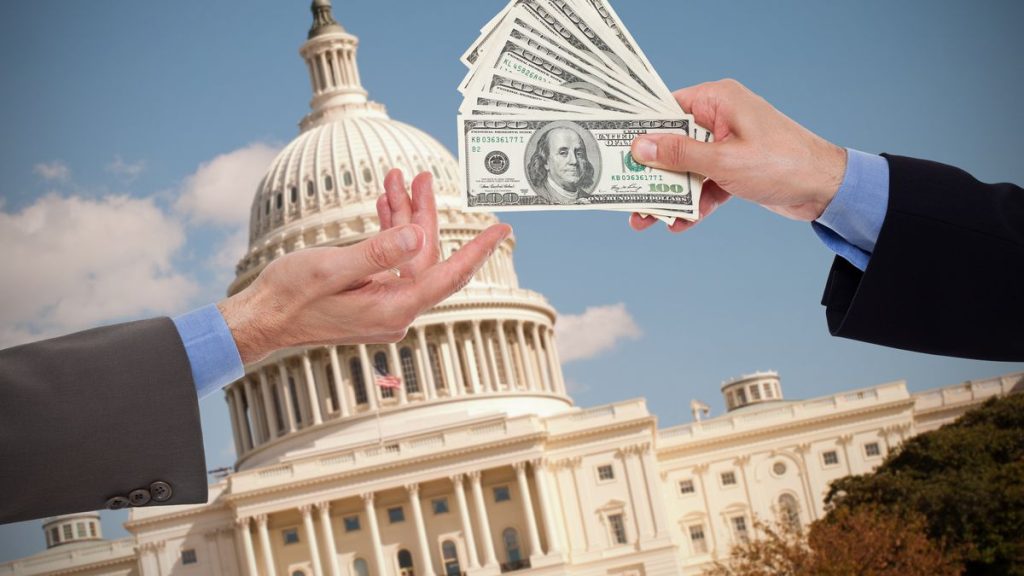
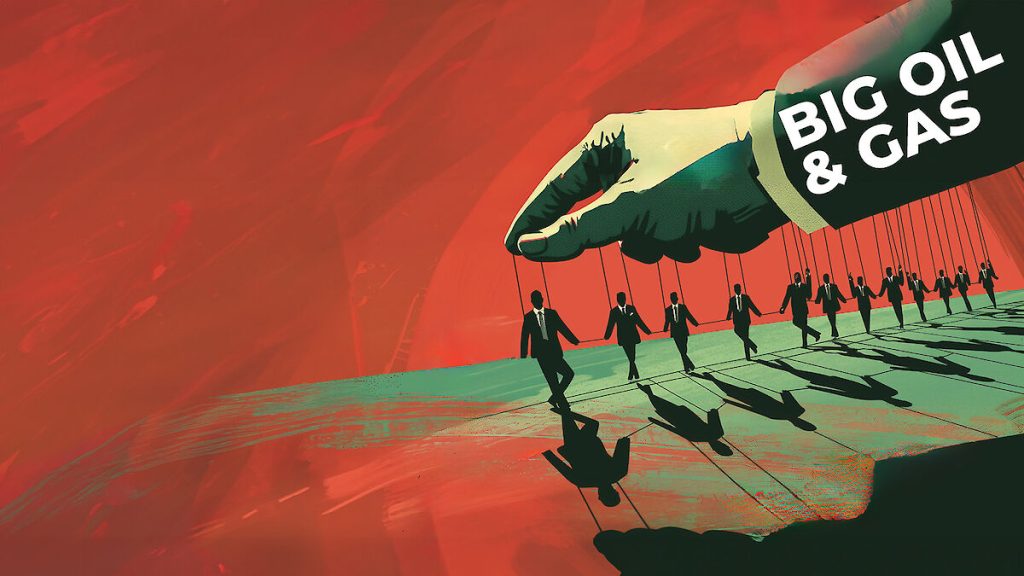
Tech influence wields campaign donations, lobbying, and digital platforms that shape minds. In 2024, tech spent $61.5 million on lobbying, with Meta at $24.4 million. Musk’s $242.6 million donation to Trump’s campaign bought access, but tech’s real power lies in algorithms steering public discourse. Oil and gas spent $71.7 million in 2025’s first half to lock in drilling permits. Finance dropped $70.6 million to loosen regulations. Pharma invested $120.5 million to protect drug pricing. Defense spent $44.5 million, tethered to $700 billion Pentagon contracts. If tech’s platforms can sway elections, what stops tech influence from outpacing these older giants?
Scale of Influence: Wealth or Dominion?
Tech influence dwarfs others in scale, with the Big Five (Apple, Amazon, Alphabet, Meta, Microsoft) at a $12.5 trillion market value in 2025. Musk, Bezos, and Zuckerberg’s $731 billion net worth overshadows oil ($1.8 trillion), finance ($2.3 trillion), pharma ($1.4 trillion), and defense ($900 billion). Tech’s concentrated spending, like Musk’s $242.6 million, eclipses oil’s $26 million in 2024. Is Tech influence just wealth, or a new form of control over information and infrastructure?
Policy Outcomes and Public Perception: Progress or Peril?
In 2025, tech influence delivers mixed outcomes. Tariffs hit tech billionaires hard, yet halted Meta investigations hint at favors. Critics cry corruption; supporters claim innovation thrives. Many of Americans fear corporate sway, with tech in the crosshairs. Oil’s $15 billion subsidies, finance’s relaxed rules, and pharma’s price protections slip by quietly. Defense’s contracts face little push-back. Why does tech influence provoke outrage while others evade scrutiny?
Why Tech Stands Out: Democracy at Stake?
Tech influence feels seismic because it controls digital arteries—SpaceX’s 80% of U.S. rocket launches or Starlink’s global reach. Unlike oil’s pipelines or pharma’s drugs, tech rewires national security and public thought. The Trump Administration signaled a shift with tech CEOs in attendance during the 2025 inauguration. Finance, defense, oil and gas, pharmaceuticals wield power discreetly, but tech influence is bold, reshaping culture itself.
Summary
The Trump Administration is making long strides toward technical innovation and world preeminence placing it toward the top of the priority list. Furthermore, the Administration is making strides in bringing accountability to the old guard industries and influencers. The established wealthy political influencer industries still have huge clout in the bloated government, but they are becoming rapidly overwhelmed with the technological innovator’s blistering pace, disrupting their traditional power dynamics. Whether America can balance innovation with accountability in the field of technology remains to be seen. The question is this: will American’s daily lives be enhanced or diminished? What do you think?