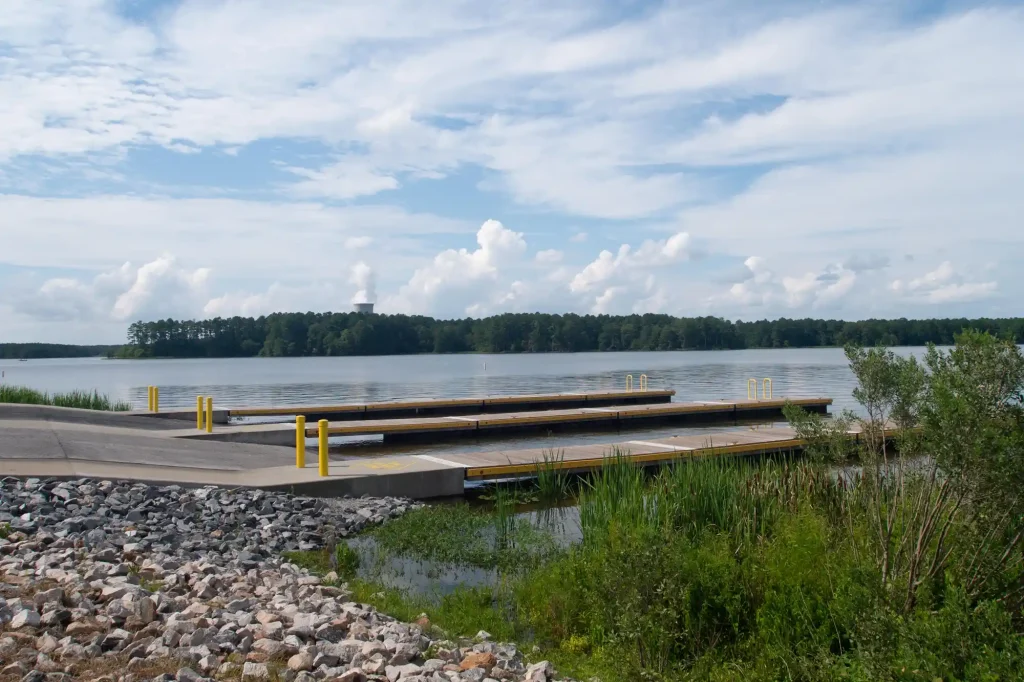
Operating a boat or car while drunk is reckless and turns vehicles into deadly weapons. On August 2, 2025, Quinten Kight, allegedly impaired, crashed his boat into swimmers at Harris Lake, North Carolina. Consequently, he killed 10-year-old Brooklyn Mae Carroll and severely injured Jennifer Stehle. This tragedy fuels outrage at those who drive or boat drunk, and therefore, we must highlight the devastating toll on victims and their families.

The Harris Lake Horror
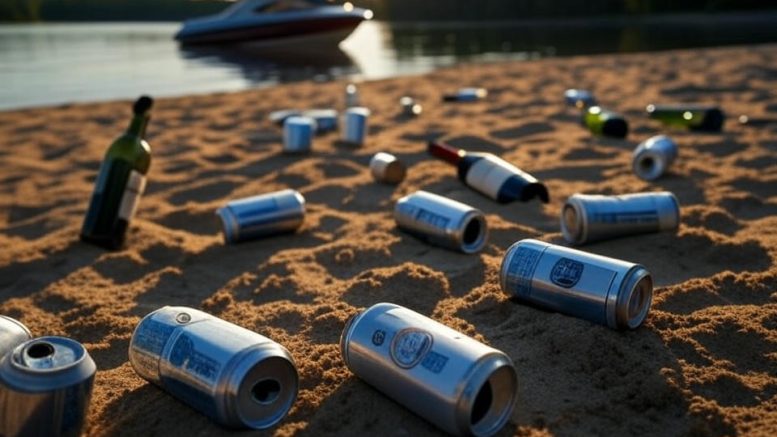
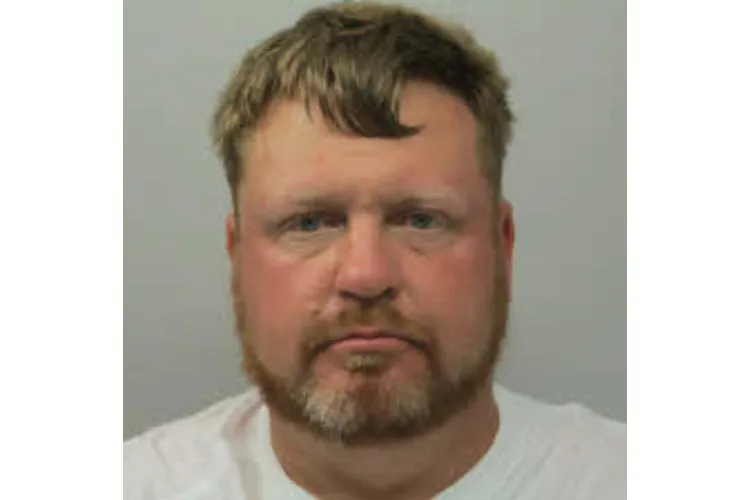
On that fateful day, a joyful outing at Harris Lake became a nightmare. Quinten Kight, 40, allegedly drunk, drove a Tige wake boat into three swimmers. As a result, Brooklyn Mae Carroll, a vibrant fifth-grader, died. Meanwhile, Jennifer Stehle, a dedicated school social worker, suffered horrific injuries. Doctors amputated her left leg above the knee, and she fights to save her right leg. She remains in critical condition, facing a grueling recovery. Kight borrowed the boat from his girlfriend but still chose to operate it while impaired. There were 39 Beer Cans were found on the boat.
The Cost to Victims
Impaired driving shatters lives. Brooklyn’s family now grieves a child whose future vanished. Similarly, Jennifer Stehle, a wife and mother, endures physical and emotional pain. Her family’s GoFundMe page speaks to the financial burden of medical bills and rehabilitation. However, no amount of money will undo the trauma. These victims aren’t just statistics—they’re people whose lives were upended by one person’s reckless decision. Communities mourn, families fracture, and survivors carry invisible wounds long after the headlines fade.
A Pattern of Recklessness
Kight’s actions aren’t unique. For instance, he faces a pending 2023 hit-and-run charge, suggesting a reckless pattern. Across the U.S., impaired boating and driving incidents kill thousands annually. In North Carolina alone, recent drownings and boating accidents highlight the dangers of mixing alcohol with watercraft. Sheriff Mike Roberson labeled Kight’s actions preventable and urged people to treat boats seriously, not as toys when drinking.
Why the Outrage?
Boats and cars become weapons when drivers drink. Choosing to operate them impaired isn’t an accident—it’s a decision. Every sip before driving or boating risks innocent lives. The arrogance of “I’m fine to drive” or “I can handle the boat” destroys families. Consequently, it’s infuriating that people ignore warnings, leaving victims like Brooklyn and Jennifer to suffer.
Call to Action
We must demand change. Stricter laws, tougher penalties, and better education can stop drunk operators. If you see someone drinking before driving or boating, speak up—it might save lives. Thus, let’s honor Brooklyn and support Jennifer by pushing for accountability.
Conclusion
Drunk driving and boating are crimes, not mistakes. The Harris Lake tragedy shows how one selfish choice ends lives and ruins futures. Therefore, we must stop excusing this behavior and protect our communities from those who wield vehicles as weapons!