

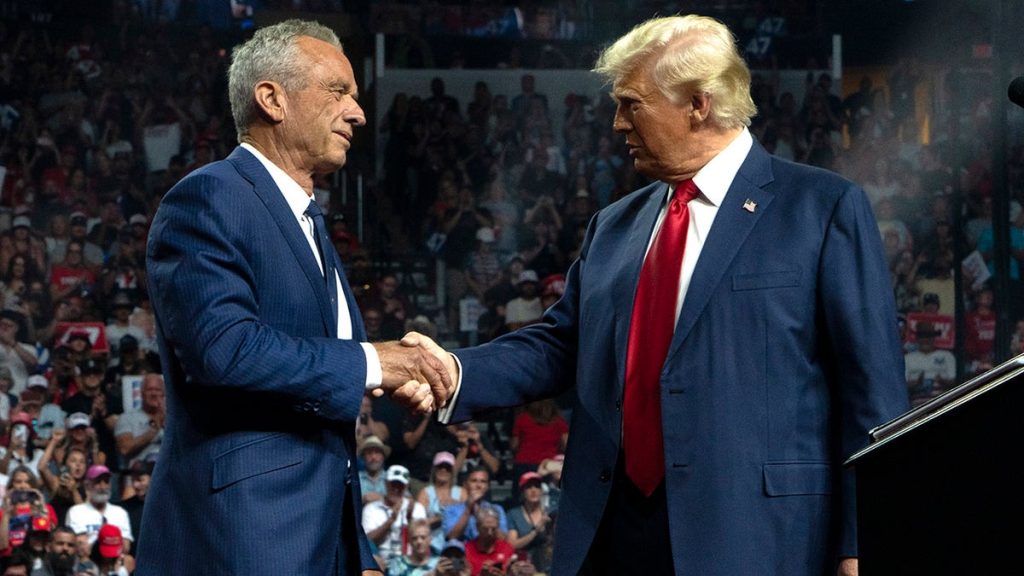
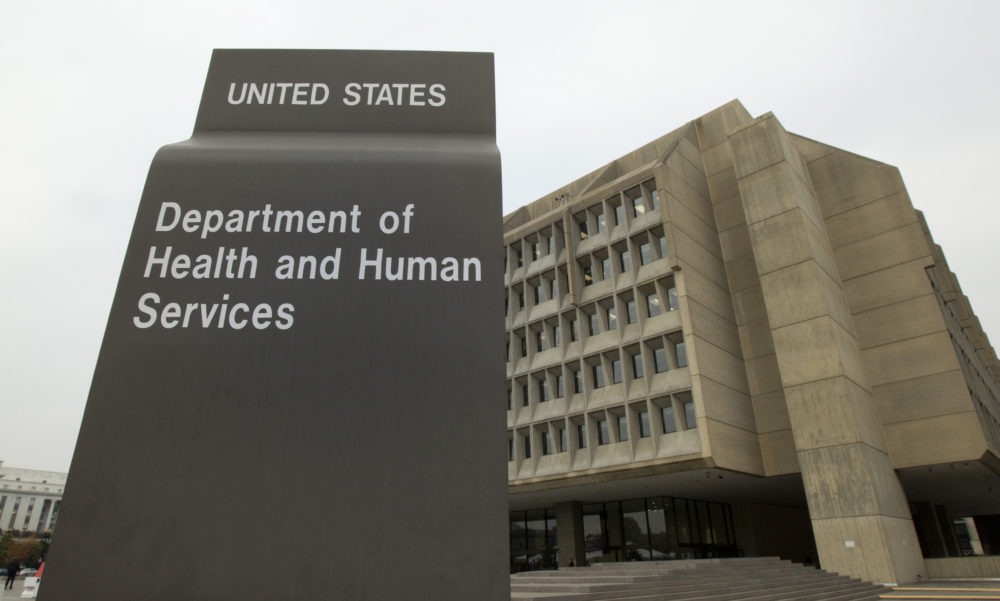
The U.S. Health and Human Services (HHS) Secretary, Robert F. Kennedy Jr., recently made headlines by terminating 22 mRNA vaccine development projects worth nearly $500 million. This decision, driven by Kennedy’s concern regarding the benefits vs. detriments of mRNA technology, has ignited a fervent debate among health experts and the public. Let’s probe who the players are, what happened, why it matters, and what critics are saying.

The Major Players:
These mRNA projects, involve major players like Pfizer and Moderna, aim to develop vaccines for respiratory viruses such as COVID-19, flu, and H5N1. The Combined Total Revenue (2021–2023) for Pfizer and Moderna was roughly $128.6 billion from their COVID-19 vaccines over this period. Note that these numbers reflect reported vaccine sales and do not include revenue from other COVID-related products like Pfizer’s Paxlovid. In addition, approximately $33.2 billion of the $128.6 billion combined revenue for Pfizer and Moderna’s COVID-19 vaccines (2021–2023) came from U.S. government taxpayer dollars, representing about 25.8% of the total. This includes U.S. vaccine purchases from both companies and additional development funding for Moderna. The data is scattered across company financial reports, government contract disclosures, and news analyses.
What Did Kennedy Do?
On August 5, 2025, Kennedy announced the cancellation of 22 mRNA vaccine projects under the Biomedical Advanced Research and Development Authority (BARDA). The move followed a review of mRNA investments started during the COVID-19 public health emergency. Kennedy argued that mRNA vaccines are ineffective against upper respiratory infections and don’t hold up against viral mutations. “We reviewed the science, listened to the experts and acted”, he said. He will be redirecting the funds to “safer, broader” vaccine platforms, like whole-virus vaccines. Furthermore, he said “Let me be absolutely clear: HHS supports safe, effective vaccines for every American who wants them. That’s why we’re moving beyond the limitations of mRNA and investing in better solutions,” Kennedy said.
Why Did He Make This Call?
Kennedy has long questioned mRNA technology, pointing out it “doesn’t stop infection, block transmission, or work against mutants.” His decision aligns with his vocal concerns, he’s not anti-vaccine but supports “safe and effective” options. He believes other technologies offer better protection and fewer risks. Kennedy hasn’t shared specific scientific evidence as of yet, which has fueled controversy.
The Pushback from Experts
Some Health experts are sounding alarms. Dr. Paul Offit, a prominent vaccine expert, calls mRNA vaccines “remarkably safe” and credits them with saving millions of lives during the 2020 pandemic. Dr. Offit has faced criticism from anti-vaccine advocates, who have accused him of conflicts of interest due to his role in developing a Rotovirus vaccine (RotaTeq) and ties to pharmaceutical companies like Merck. Critics, including Robert F. Kennedy Jr., have labeled him a “biostitute” for alleged financial ties, though Offit has stated he receives no financial remuneration from RotaTeq sales. Critics argue that scrapping these projects could weaken the U.S.’s ability to respond to future pandemics. mRNA vaccines proved their worth by being fast to develop and effective at reducing severe outcomes, even if they don’t fully prevent infection, lifelong injury, or death. Experts worry Kennedy’s broader changes, like reshaping the Center for Disease Control’s vaccine advisory committee (ACIP) with conscientious questioners, could erode trust in evidence-based science.
What’s at Stake?
The decision doesn’t halt all mRNA research, as some late-stage contracts will continue to preserve investments. Still, pulling the plug on these projects raises concerns about preparedness for emerging threats. mRNA technology’s flexibility allowed scientists to create vaccines in record time during COVID-19. Critics fear that prioritizing unproven platforms could leave the U.S. vulnerable. On the flip side, Kennedy’s supporters argue that exploring alternatives could lead to more durable and effective solutions.
What’s Next?
For now, the debate rages on. Kennedy’s move reflects his long-standing views but risks alienating people who see mRNA as a cornerstone of modern vaccine science. As the public watches, the question remains: Is this a bold step toward better vaccines or a gamble with future health security? Only time will tell, but the stakes couldn’t be higher.