

In June 2025, Rep. Tim Burchett’s “No Tax Dollars for Terrorists Act” (H.R. 260) passed the House, aiming to stop U.S. taxpayer money from reaching the Taliban. Now, the bill awaits Senate approval, sparking debates about U.S. foreign aid policies. This article explores the bill’s status, its impact, and how it fits into broader aid reforms under the Trump administration.

What Is the No Tax Dollars for Terrorists Act?
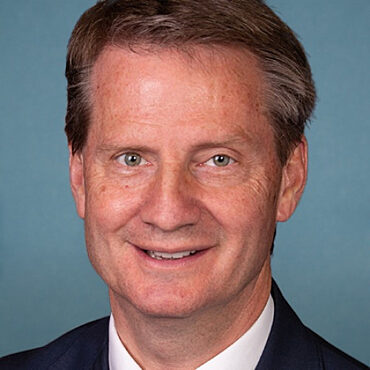
Introduced by Rep.Tim Burchett (R-TN), H.R. 260 requires the State Department to create a strategy to prevent U.S. aid from funding the Taliban. It demands reports on foreign countries and NGOs supporting the Taliban, especially those receiving U.S. assistance. The bill addresses concerns over $5 billion in cash sent to Afghanistan since the Taliban’s 2021 takeover, with a 2023 UN report estimating the group’s annual income at $1.5 billion, partly from diverted aid.
On June 23, 2025, the House passed H.R. 260 by voice vote, a major step forward. The bill now heads to the Senate, where its fate could shape U.S. foreign aid oversight.
Senate Approval: What’s Next?
As of June 24, 2025, the Senate has not yet voted on H.R. 260. However, the bill’s Senate version, S.226, introduced by Sens. Tim Sheehy, Tommy Tuberville, and Bill Hagerty, signals strong Republican support. With a Republican-controlled Senate and President Trump’s push for “America First” policies, passage seems likely. Studies note that up to 20% of U.S. aid in conflict zones is diverted to hostile groups, fueling urgency for reform.
If approved, the bill could reach Trump’s desk by mid-summer 2025. The State Department would then have 30 days to develop a strategy and 180 days to report on its impact, ensuring transparency in aid distribution.
Impact on U.S. Foreign Aid Policies
The No Tax Dollars for Terrorists Act aligns with broader efforts to audit U.S. foreign aid. A 2022 SIGAR audit revealed weak oversight of $2.9 billion in aid to Afghanistan post-withdrawal, with examples like $60 million in USAID funds for Afghan women’s programs allegedly siphoned by the Taliban. These findings highlight systemic issues in aid delivery.
Trump’s administration is pushing to codify cuts, as seen in a June 2025 House vote to claw back $8.3 billion in foreign aid. H.R. 260 could set a precedent for stricter controls, reducing waste and ensuring aid supports U.S. interests. This shift may affect programs like USAID’s $2 billion in Afghanistan aid since 2021, demanding better accountability.

Why It Matters
Americans are frustrated with tax dollars potentially funding terrorists. Social media posts reflect public support for Burchett’s bill. If the Senate approves H.R. 260, it could restore trust in foreign aid by prioritizing national security and transparency.
The bill’s success hinges on Senate action. Stay tuned for updates as this critical legislation moves forward, reshaping how the U.S. delivers aid worldwide.


