The Pledge of Allegiance, a cornerstone of American pride, faces a shocking ban in some schools. Why? Read on to uncover the truth! This pledge, a daily ritual for generations, now stirs debate. Some states and districts ditch it, leaving patriots furious. Yet, its enduring spirit keeps our love for freedom alive!

History of the Pledge: A Patriot’s Pride
The pledge began in 1892, crafted by Francis Bellamy for Columbus Day. It united kids under one flag. In 1954, “under God” joined during the Cold War, per Congress, to defy communism. Patriots cherish this history. Despite leftist critiques, this legacy inspires us to stand tall for our nation.
“I Pledge Allegiance”: A Bold Commitment
“I pledge allegiance” means loyalty. Patriots see it as a vow to defend freedom. Short and strong, it binds us to the nation. Critics call it forced speech, sparking legal fights since 1943’s Barnette case. In West Virginia State Board of Education v. Barnette, the Supreme Court invalidated a compulsory flag salute law in public schools and established that students possess some level of First Amendment rights. Still, this promise fuels our resolve to protect liberty.
“To the Flag”: Symbol of Sacrifice
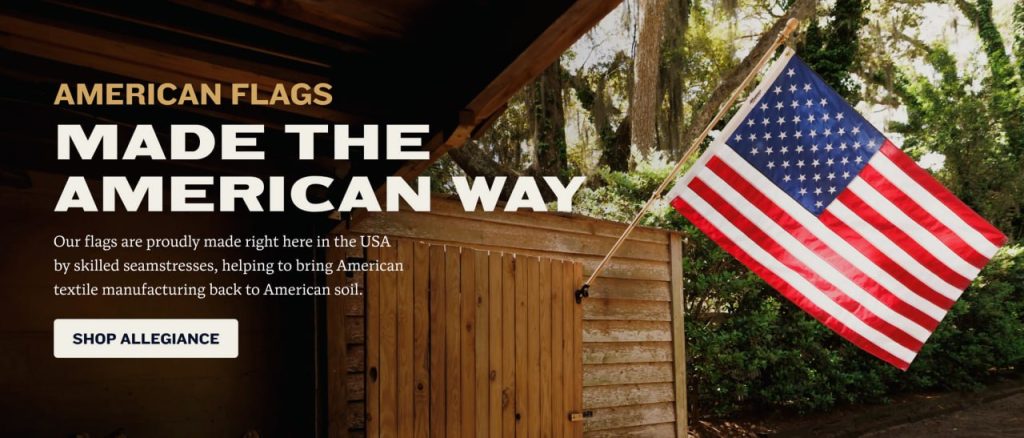
The flag, with 50 stars representing our 50 states and 13 stripes symbolizing the original colonies, stands as a proud emblem of our nation’s history. Patriots view it as blood-stained glory, a tribute to the sacrifices made for freedom such as the Revolutionary War. Burning or inverting our flag serves as a protest against policy, not a move to leave our country as the ultimate act of dissent. Yet, some schools drop pledging to the flag, fearing it might offend certain groups. Despite this, the flag’s enduring symbol of resilience continues to inspire patriotism across the land.
“Of the United States of America”: Our Unique Land
This phrase celebrates our nation’s identity, proudly highlighting what makes the United States unique. We’re not just a land for other flags to be waved. We’re our own unique land of legal nationalized immigrants and natives. Patriots treasure its liberty roots, seeing them as the foundation of our free society. However, debates over the “under God” addition sparked controversy, leading California to ease its mandate requirements by 2005, according to court rulings from Newdow vs. Carey that cited concerns about religious overreach. Despite this shift, the phrase continues to inspire a deep sense of national pride among many Americans.
“And to the Republic”: Government by the People
A republic means we rule ourselves, not through a democracy or party lines like Republicans or Democrats, but as a Constitutional Republic—a system many Americans misunderstand. The Constitution never mentions democracy, yet defines our governance as a republic where elected leaders serve under its laws. Patriots love this ideal, cherishing the power it gives us over our destiny. Still, some districts remove the pledge, arguing it pressures kids, as seen in Florida’s 2006 law tweak. Despite this, our commitment to this unique republic keeps our patriotic fire burning strong.
“For Which It Stands”: Values Worth Dying For
It stands for liberty and justice, the bedrock of our Constitutional Republic, where power splits into three branches—executive (President), legislative (Congress), and judicial (Justice Court)—to safeguard freedom and fairness as outlined in the Constitution. This republic ensures no single authority overreaches, protecting individual rights through checks and balances. Patriots hold these dear, seeing them as our nation’s lifeblood. Therefore, removing it feels like erasing our soul. Schools cite inclusivity, but patriots cry foul. Yet, these enduring values continue to light our path forward.
“One Nation Under God”: Faith’s Foundation
“Under God” reflects our deep heritage, added in 1954 during the Cold War to affirm our faith against communism. Patriots see this phrase as a source of strength, uniting us under a shared belief. Critics challenge it legally, arguing it violates separation of church and state, leading to bans in places like Colorado by 2004. Despite these efforts, it remains a powerful symbol of our nation’s spiritual foundation.

“Indivisible”: Unity Against All Odds
Indivisible recalls the Civil War, a time when our nation fought to stay whole. Patriots value this unity, seeing it as a testament to our strength through adversity. However, school removals suggest division, upsetting tradition lovers who cherish this bond. Despite these challenges, the word “indivisible” continues to inspire us to stand united, honoring our shared history.
“With Liberty and Justice for All”: The American Dream
This promises freedom for everyone, a core American value cherished by all. Patriots fight for it with unwavering dedication, seeing it as their duty. Yet, some schools ditch the pledge, fearing it excludes non-believers, per 2015 New Jersey rulings. This concern stems from debates over the “under God” phrase, but patriots argue it unites rather than divides our nation.
In summary, the pledge’s rich history and meaning fuel patriot pride, yet legal and inclusivity debates drive its removal. Schools balance rights, but at what cost?
Ask yourself: Can we keep America’s heart beating without this oath since it helps us remember and honor our country’s precious roots?
Like this article?
☕️ Please buy me a coffee: https://buymeacoffee.com/criordan
👉 Follow me on X: @CRiordan2024
Click HERE to read more from Clara Dorrian.