
What Is Media Influence?
Ever wonder who really decides what news you see? Media influence is when powerful people or groups, like wealthy donors or organizations, shape the stories we read or hear. It’s like someone lining up the spotlight on a stage, choosing which topics get attention. A post on X by @DataRepublican on August 28, 2025, pointed to a New York Post article claiming a group called the Sixteen Thirty Fund, managed by Arabella Advisors, paid up to $8,000 a month to influencers who supported Democratic causes in 2020. With a $400 million budget, they aimed to challenge then-President Donald Trump, according to Politico’s review of IRS records. This raises a big question: are the news and opinions we trust truly independent?

Key term: Dark money – Money given to groups that don’t have to reveal their donors, often used to influence politics or media without being traced.
Who’s Behind the Money?
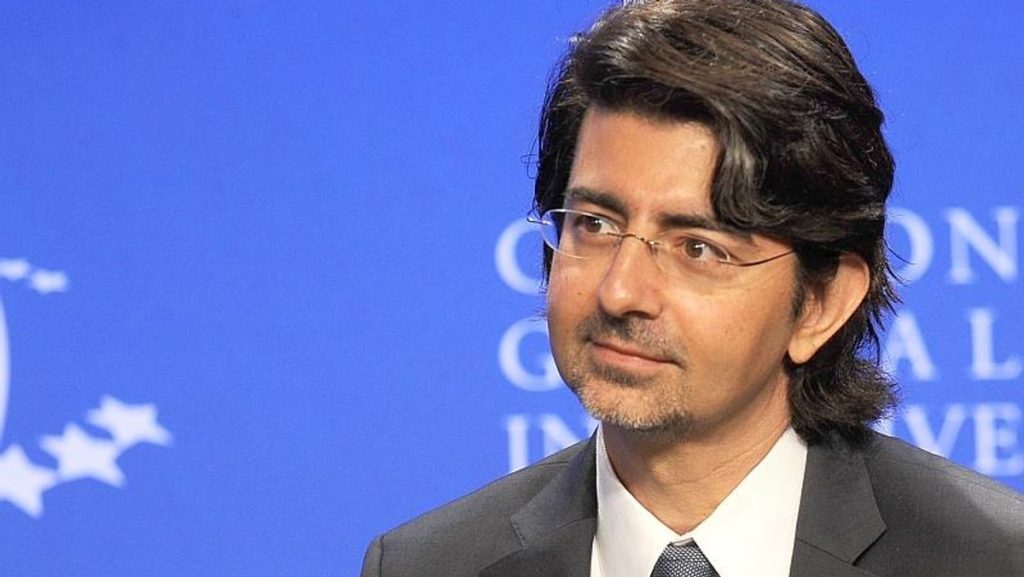
Let’s follow the cash. The X post mentioned George Soros, a billionaire who funds the Open Society Foundations, which supports causes like democracy and human rights. Some claim his group backed the Sixteen Thirty Fund’s efforts, though Open Society says it doesn’t fund violent protests, focusing instead on fairness and free speech. Another key player is Pierre Omidyar, the eBay founder, who offers $50,000 stipends to reporters through his 2025 program . This sounds helpful, but some worry it could sway what reporters write, especially since Omidyar was tied to eBay’s 2019 cyberstalking scandal, where employees targeted journalists, per court records.
Key term: Stipend – A payment given to someone, like a reporter, to cover expenses or support their work, which might influence their perspective.
How Does This Affect Our Trust?
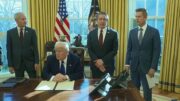
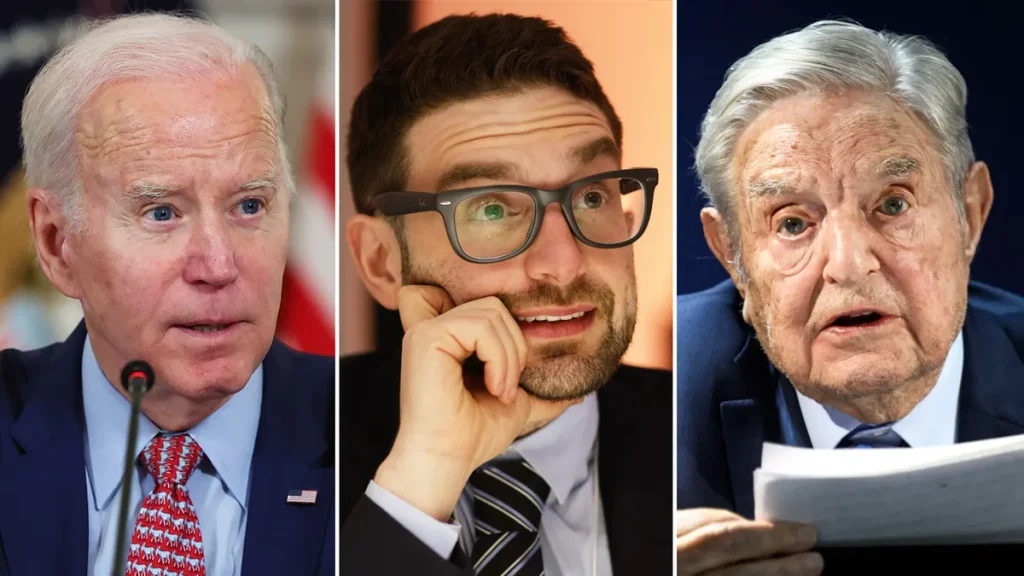
When billionaires fund news, it’s hard to know if we’re getting the full story or a version shaped by their goals. Soros has stepped down, and anointed his son, Alex Soros, to take over his empire helm. For example, some social media posts suggest Omidyar’s payments might tilt coverage in his favor, yet mainstream media rarely mention his eBay controversy. On the flip side, claims about Soros often spark heated debates, with President Trump calling for RICO charges against him and his son Alex on August 27, 2025. RICO is a law used to fight organized crime, but Open Society called these accusations “outrageous and false.” This back-and-forth makes us wonder: are these funds boosting voices or pushing their agendas?
Key term: RICO – Short for Racketeer Influenced and Corrupt Organizations Act, a law targeting illegal activities by groups, like fraud or extortion.
What Can We Do About It?
With money and media so tangled, we need to think critically. Are we just soaking up news, or are we digging for the truth? The Sixteen Thirty Fund’s secrecy and Omidyar’s reporter payments show how wealth can shape what we hear. Even Soros’s donations, whether for good or not, affect political debates. To stay sharp, try these steps:
Helpful Hint
- Check multiple news sources on both sides of the issue, like BBC, Newsmax, or Reuters, for balanced views.
- Look up who funds the outlets you read—sites like OpenSecrets.org can help.
- Ask yourself: why is this story being told, and who benefits?
Summary
Media influence is a big deal in today’s noisy world. Groups like the Sixteen Thirty Fund, backed by billionaires like Soros and Omidyar, play a role in what news reaches us. By questioning who’s behind the stories and cross-checking facts, we can better understand the truth. Let’s stay curious, challenge what we read, and demand clear, honest reporting to navigate this tricky landscape. What say you?