The Promise of FireAid: A Beacon in Crisis
In the wake of the devastating wildfires that swept through Los Angeles in January 2025, the FireAid benefit concert emerged as a beacon of hope. Held on January 30 at the Intuit Dome, this global event brought together sponsors, artists, and millions of supporters. They aimed to raise approximately $100 million for affected communities. The initiative seemed like a straightforward lifeline, promising to deliver aid to those who lost homes, livelihoods, and peace of mind. The outpouring of support was a testament to collective compassion, offering a glimmer of recovery for a city scarred by flames.

A Complex Distribution: Non-Profits Take the Lead
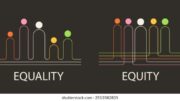
Yet, as more details surface about where the money went, a complex picture is unfolding—one that weaves together relief efforts with a focus on equity, instead of equality, sparking heated debate. The funds, initially celebrated as a triumph of community spirit, were channeled through over 120 non-profit organizations. They were not handed directly to fire victims. This approach aimed to address both immediate needs—like food and shelter—and longer-term goals, such as rebuilding schools and supporting marginalized groups.
Among the named recipients, the California Native Vote Project stood out. This group, focused on boosting voter turnout among Native American communities, received a grant but returned it after public outcry, as noted by Congressman Kevin Kiley in his call to the Department of Justice (DOJ) for a federal investigation. A question remains, why did they receive it in the first place? The decision to include such an organization raised eyebrows. It suggested a broader intent to tackle social disparities first before disaster recovery.

Key Players: Annenberg and Beyond
Another significant player was the network of non-profits tied to the Annenberg Foundation, which received about half of the initial $50 million distributed in February 2025. Known for supporting education, arts, and community development with an equity lens, these groups likely directed funds toward underserved areas hit hardest by the fires. Other inferred recipients, such as the Los Angeles Regional Food Bank for meal distribution or Habitat for Humanity for housing support, align more closely with traditional equality relief efforts. These choices reflect a strategy to balance urgent aid with systemic change, ensuring resources reach those historically overlooked.
The Equity Debate: Hope or Misstep?
However, this dual focus has ignited angry debate. Victims like actor Spencer Pratt, who lost his home, expressed frustration that the money didn’t flow directly to them. Instead, it filtered through non-profits that might deduct administrative costs. Reports from the California Globe highlight that none of the funds reached fire victims directly, prompting questions about transparency. FireAid’s spokesman, Chris Wallace-via the Annenberg Foundation-countered that every dollar was reserved for community benefit. They have plans to open financial records to rebuild trust. The emerging emphasis on equity—prioritizing disadvantaged communities—seems to guide this distribution. Yet, it clashes with the initial promise of immediate relief for all fire victims.
Looking Ahead: A Path Toward Clarity
As the story evolves, a federal investigation looms, potentially shedding light on how equity, instead of equality, shapes these decisions. Funds donated were intended for everyone equally, but it seems equity was the plumbline for distribution. For now, this journey invites reflection: Can disaster relief embrace fairness to all relief victims? The answer may lie in the upcoming reports from FireAid and the Department of Justice, offering a clearer path forward for future efforts. Until then, the FireAid saga reminds us that compassion for all and accountability must always walk hand in hand. What do think about fire victims not receiving aid because they don’t fall into a certain ideological slot?